How to Stop Your Dog from Barking Excessively
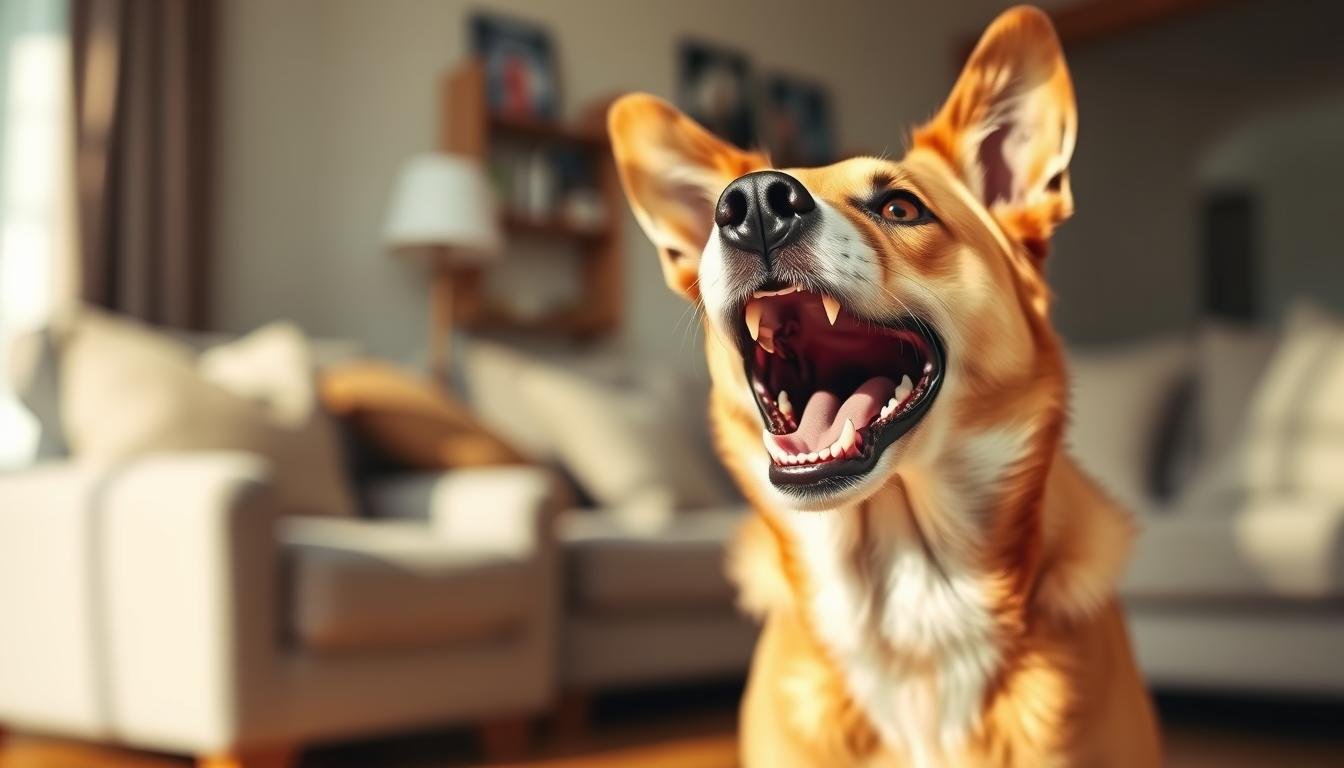
Excessive barking can really stress out dog owners and mess up the home. It’s key to figure out why your dog is barking so much. How to Stop Your Dog from Barking Excessively Once you know why, you can start making your home quieter. Excessive barking usually means there’s something bothering your dog, like anxiety or boredom. Key Takeaways Understanding Why Dogs Bark To tackle excessive barking, we must first understand why dogs bark. Barking is a natural way for dogs to communicate. Natural Canine Communication Dogs bark to share their feelings and needs. This includes excitement, alertness, or anxiety. Canine communication is complex, using vocalizations, body language, and scent marking. Barking can warn others, ask for attention, or show how they feel. canine communication When Barking Becomes Excessive While barking is normal, excessive barking might signal deeper issues. These could be anxiety, boredom, or health problems. Finding the cause of excessive barking is key to solving it. Recognizing the signs helps dog owners start fixing the problem. Common Causes of Excessive Barking It’s important to know why your dog barks too much. There are many reasons, and finding the main cause is key to fixing the problem. Territorial and Protective Barking Dogs bark to protect their home and family. This is a natural instinct that can be triggered by strangers or other animals. Proper training and socialization can help manage this behavior. Attention-Seeking Behavior Some dogs bark to get attention from people. If they get attention for barking, they might keep doing it. Ignoring the barking and rewarding calm behavior can help stop this. Anxiety and Fear-Based Barking Dogs can bark due to anxiety or fear. This can be caused by noises, people, or situations. Creating a safe environment and using calming aids can help reduce this barking. Boredom and Lack of Stimulation Dogs need both physical and mental stimulation. Without enough exercise or activities, they can get bored and bark too much. Providing enough exercise and mental stimulation can help reduce this barking. Cause Description Solution Territorial/Protective Barking to protect territory or family Proper training and socialization Attention-Seeking Barking to gain attention Ignoring barking, rewarding calm behavior Anxiety/Fear-Based Barking due to anxiety or fear Creating a safe environment, calming aids Boredom Barking due to lack of stimulation Adequate exercise and mental stimulation Identifying Your Dog’s Barking Triggers To solve your dog’s barking problem, you must find out what causes it. Knowing what makes your dog bark helps you plan to reduce or stop these triggers. Keeping a Barking Journal Keeping a barking journal is a great way to find out what triggers your dog’s barking. You record when your dog barks, what happens before and after, and any possible triggers you notice. With a detailed journal, you can spot patterns in your dog’s barking. This insight is key to understanding why your dog barks too much. Recognizing Barking Patterns Spotting patterns in your dog’s barking is essential. By looking at your journal, you can find common triggers and ways to deal with them. Trigger Possible Cause Potential Solution Strangers at the door … Read more

How to Train a Puppy: A Complete Beginner’s Guide

Training a puppy is key to raising a well-behaved dog. It builds a strong bond between the dog and its owner. This ensures a happy home. How to Train a Puppy: A Complete Beginner’s Guide Knowing puppy psychology is vital for good training. This guide covers preparation, basic commands, house training, and socialization. These steps are essential for your puppy’s growth. With this beginner’s guide, you’ll learn to handle puppy training. You’ll set your dog up for a lifetime of good behavior. Key Takeaways Understanding Puppy Psychology and Development Understanding puppy psychology is key to good training and growth. Puppies grow fast, and their early life shapes their behavior and learning skills. Critical Developmental Stages in Puppies Puppies go through important stages like the neonatal, transition, and socialization periods. These stages are when they are most open to new things and learning. The socialization period, from 3 to 14 weeks, is very important. It sets the stage for their future behavior and how they interact with others. How Puppies Learn and Process Information Puppies learn through instinct, conditioning, and social learning. They are very sensitive to their surroundings and what their caregivers teach them. Positive reinforcement is a great way to train puppies. It encourages good behavior and stops bad ones. The Importance of Timing in Training Timing is everything in training puppies. Rewards and corrections need to happen right away. If they don’t, puppies can get confused and learn more slowly. Setting Realistic Expectations for Training It’s important to have realistic goals for training based on a puppy’s age and stage. Puppies have short attention spans and don’t understand much yet. So, training should be patient, consistent, and positive. Here are some tips: puppy psychology Essential Preparation Before Training Begins The journey to a well-behaved puppy starts long before training. It begins with preparation. Making sure your home is ready and gathering tools are key steps for success. Creating a Puppy-Friendly Environment Creating a safe and welcoming space for your puppy is essential. This means removing hazards and keeping toxic substances and electrical cords out of reach. Puppy-Proofing Your Home Puppy-proofing your home is a must. It involves securing loose items, blocking off areas, and making sure your home is safe for your puppy to explore. Gathering Necessary Training Tools and Supplies Having the right tools and supplies is key to effective training. You’ll need high-quality puppy treats, a comfy collar and leash, and training pads or newspapers for housebreaking. Training Tool Purpose Puppy Treats Rewards for good behavior Collar and Leash Walking and basic obedience training Training Pads/Newspapers Housebreaking Establishing a Consistent Training Schedule A consistent training schedule is vital. It helps your puppy know what’s expected. Set aside dedicated time each day for training and stick to it as much as possible. “Consistency is key when it comes to training a puppy. A well-planned schedule can make all the difference in the world.” Expert Dog Trainer By establishing a routine, you’re teaching your puppy new behaviors. You’re also helping them feel secure and develop good habits. How to Train a Puppy: A Complete Beginner’s Guide to Basic Commands Basic commands are key to puppy training. They help your puppy behave well and strengthen your bond. Teaching these commands is essential. Teaching the “Sit” Command Step-by-Step To teach your puppy to sit, hold a treat near their nose. Move your hand up and over their head. This will make them follow the treat and sit down. When they sit, say “Sit” and give them the treat. Praise them too. Do this many times until they learn the command. Mastering “Stay” and “Come” Commands Start with the “Stay” command by having your puppy sit. Hold your palm out and say “Stay.” Then, take a few steps back and return to praise them. Gradually increase how far and long you’re away. The “Come” command is taught by calling your puppy and saying “Come.” Reward them with treats and praise when they respond. … Read more