Can Dogs Eat Human Food? 15 Foods That Are Safe & Unsafe
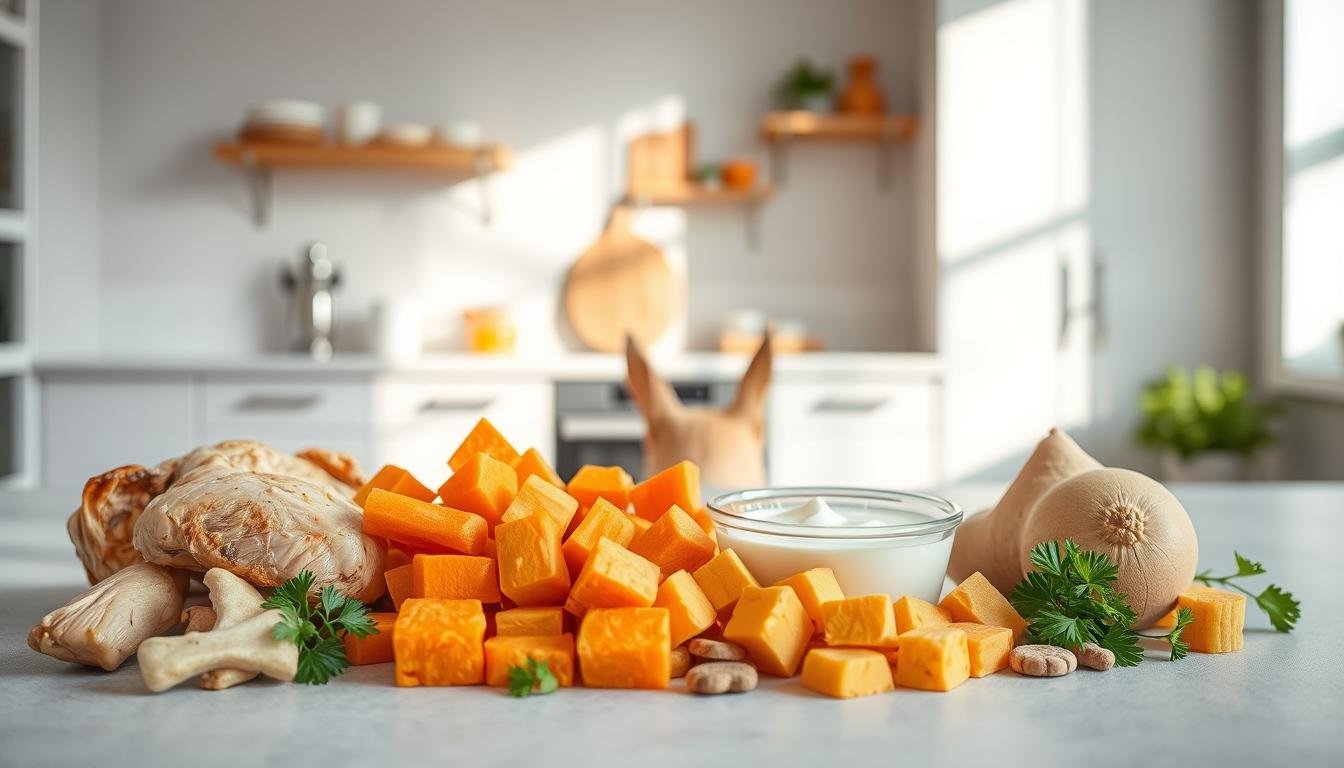
As a dog owner, you might want to share your favorite foods with your furry friend. But not all human foods are safe for dogs. Some can even be dangerous. It’s important to know which human foods are safe and which are not. Some can give dogs important nutrients and treats. But others can cause harm, from mild discomfort to serious health issues. Can Dogs Eat Human Food? 15 Foods That Are Safe & Unsafe Knowing the difference between safe and unsafe human foods is key. This helps you make good choices about what to share with your dog. Key Takeaways Understanding Dogs and Human Food The way dogs digest food is different from humans. This affects what they can safely eat. Knowing this is key to deciding if a human food is okay for dogs. Differences Between Canine and Human Digestive Systems Dogs have a shorter digestive tract than humans. This lets them digest protein and fat quickly. But it also makes them more likely to get sick from certain toxins. Some foods that are safe for humans can be harmful to dogs. This is because dogs and humans break down food differently. canine digestive system General Guidelines for Sharing Food with Your Dog When you give your dog human food, do it in small amounts. Treats should not be more than 10% of their daily calories. It’s also important to know which foods are safe and which are not. Always introduce new foods slowly to avoid stomach problems. By following these tips, you can safely share food with your dog. 7 Human Foods That Are Safe for Dogs As a dog owner, you might want to share your food with your furry friend. There are many human foods that are safe for dogs. These foods can be tasty treats and add important nutrients to your dog’s diet. Lean Meats: Chicken and Turkey Chicken and turkey are great protein sources for dogs. They have amino acids that help muscles and overall health. Make sure to remove bones, skin, and fat to avoid choking and digestive problems. Healthy Fruits: Apples and Blueberries Apples and blueberries are tasty and full of nutrients. Apples have fiber and vitamins, while blueberries have antioxidants. But take out the seeds and cores from apples because they’re bad for dogs. Beneficial Vegetables: Carrots, Green Beans, and Pumpkin Carrots, green beans, and pumpkin are good for dogs. Carrots are great for teeth and provide a crunchy snack. Green beans are low in calories and high in fiber. Pumpkin helps with digestion. Cook or steam these veggies to make them easier to digest. Proper Preparation Methods When giving human food to your dog, preparation is important. Always: Appropriate Serving Sizes It’s important to give human foods in moderation. Treats should not be more than 10% of your dog’s daily calories. The right serving size depends on your dog’s size, age, and activity level. Always check with your vet for the best serving sizes for your dog. By adding these safe human foods to your dog’s diet, you can make their meals more varied and nutritious. Remember to introduce new foods slowly and watch for any bad reactions. 8 Human Foods That Are Dangerous for Dogs It’s tempting to share human food with dogs, but some foods are toxic. Knowing which foods are safe and which are harmful is key for dog owners. Highly Toxic Foods: Chocolate, Grapes, and Raisins Some human foods are very bad for dogs. Chocolate can make dogs vomit, have diarrhea, and have a faster heart rate. Grapes and raisins can cause kidney failure, but we don’t know why. The danger of these foods depends on the dog’s size, age, and health. For instance, darker chocolate is more dangerous than milk chocolate because it has more theobromine. Allium Family Dangers: Onions, Garlic, and Leeks Onions, garlic, and leeks can harm dogs. They damage red blood cells, leading to anemia. Onions and garlic are very dangerous, even in small amounts. Other Harmful Foods: Avocados and Macadamia Nuts Avocados have a toxic compound called persin. It can make dogs vomit and have diarrhea. The pit, skin, and leaves are more dangerous, but the fruit can also cause problems. Macadamia nuts can make dogs weak, depressed, vomit, tremble, and have too much body heat. Emergency Response to Ingestion If your dog eats something toxic, act fast. Call your vet or a pet poison hotline right away. They might make your dog vomit, give activated charcoal, and help them feel better. Toxic Food Symptoms Emergency Response … Read more