How to Introduce a New Pet to Your Existing One

Bringing a new pet home is exciting, but it can also be tough, especially if you already have a pet. The secret to a smooth introduction is knowing pet psychology and following a clear plan. How to Introduce a New Pet to Your Existing One To create a harmonious household, you need to get your home and pets ready for the newcomer. This means more than just bringing the pets together. It’s about doing it in a way that reduces stress and encourages peace. Key Takeaways Understanding Pet Psychology During Introductions Many pet owners don’t realize how hard it is to introduce a new pet to an existing one. It’s all about understanding animal behavior. Pets have instincts that shape how they interact, like defending their territory and setting a household hierarchy. Territory and Hierarchy in Animal Behavior Animals naturally feel a need to protect their territory. When a new pet comes in, this can cause problems. It’s important to know that pets may try to defend their space or show who’s boss. Pet psychology during introductions Stress Signals to Watch For It’s key to spot stress signs in pets during introductions. Look out for growling, hissing, avoiding others, or changes in eating and sleeping. Catching these signs early helps avoid bigger issues. The Importance of Patience and Timing Being patient and timing things right is essential for a smooth introduction. Hurrying can upset pets. Letting them get used to each other slowly and carefully helps them live together peacefully. Stress Signals Intervention Strategies Growling, Hissing Separate immediately, restart introduction process Avoidance Behaviors Increase positive reinforcement, gradual exposure Changes in Appetite/Sleep Monitor closely, consult a veterinarian if necessary Preparation Before Bringing Your New Pet Home Before bringing a new pet home, it’s important to prepare well. This ensures a smooth transition for all pets. It’s a key step to a harmonious home. Creating Separate Living Spaces First, create separate living areas for your pets. This reduces stress and prevents fights. Give each pet its own space for eating, sleeping, and relaxing. Gathering Essential Supplies for Both Pets It’s also key to gather essential supplies for both pets. You’ll need food, water bowls, and litter boxes. Having duplicate supplies helps avoid competition and stress. Make sure each pet has its own set to prevent rivalry. Pre-Introduction Veterinary Checkups Before introducing pets, a vet check is essential. This ensures both pets are healthy. The check includes: Ensuring Vaccinations Are Current Up-to-date vaccinations are vital for pet health. Talk to your vet about the best vaccination schedule for your pets. Addressing Existing Health Issues Any health issues in pets should be fixed before introducing them. This prevents problems during the introduction. It ensures a healthier home for both pets. How to Introduce a New Pet to Your Existing One: Step-by-Step Guide Introducing a new pet to your existing one needs a slow and careful approach. This method helps lower stress and anxiety for both pets. It makes the transition easier. The Scent Exchange Method Start by swapping the pets’ scents. You can use their bedding, toys, or clothes. This first step lets your pets get used to each other’s smell without seeing each other. Controlled Visual Introduction Through Barriers When pets are okay with each other’s smells, it’s time for a visual introduction. Use a baby gate or screen door to keep them safe while they see each other. Watch their reactions and body language closely during this time. First Supervised Face-to-Face Meetings When pets seem okay with seeing each other, it’s time for their first face-to-face meeting. Pick a neutral spot where neither pet feels like they own it. Keep the meeting short. Watch their behavior to make sure they interact well. Gradual Increase in Interaction Time As pets get more comfortable, you can let them spend more time together. Keep watching their interactions until you’re sure they get along. Give them treats for calm behavior to help them get along better. … Read more
Natural Remedies for Common Pet Ailments

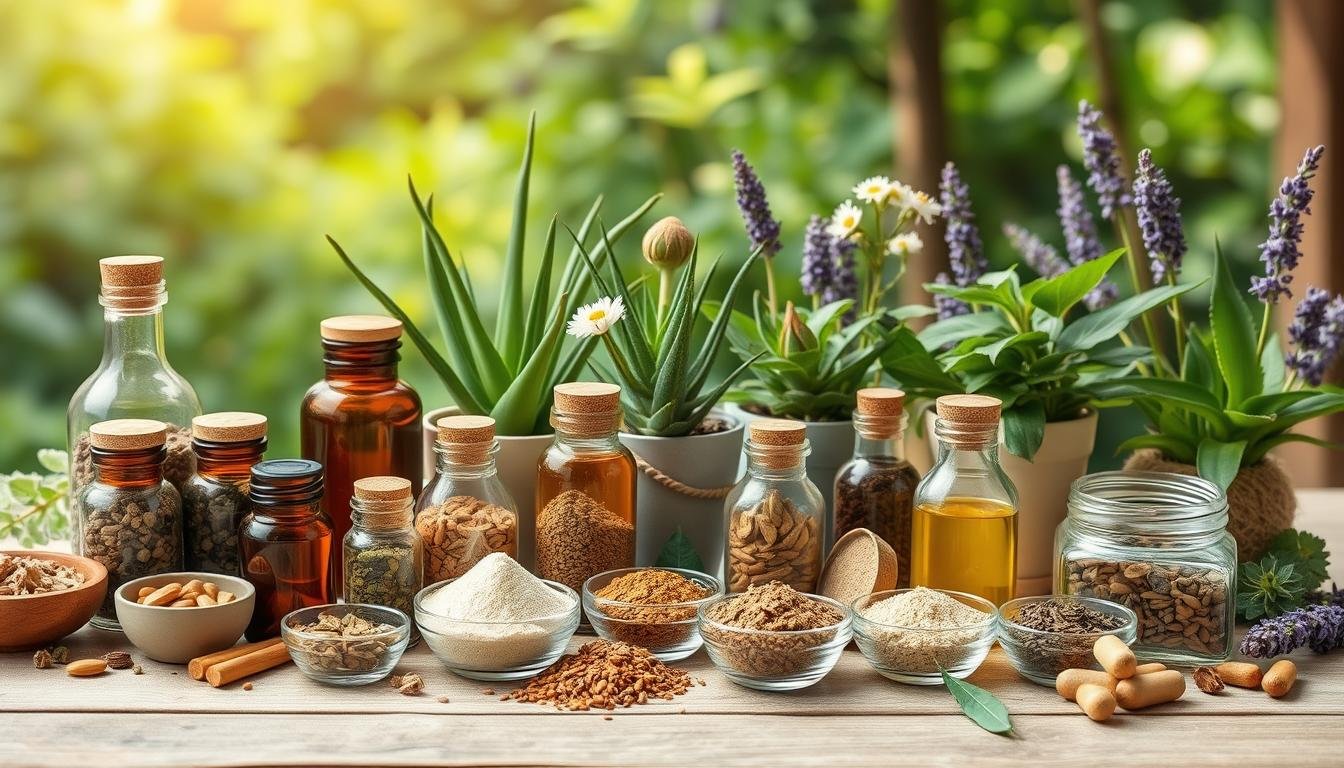
Keeping your pet healthy is very important. Many pet owners are now looking into alternative approaches to help their pets stay well. They are using natural solutions to tackle common health problems. Natural Remedies for Common Pet Ailments Effective natural remedies can really help pets with different health issues. By looking into these options, pet owners can make better choices for their pets’ care. Key Takeaways Understanding Natural Remedies for Pets Pet owners are now using natural remedies alongside traditional vet care. They want to cut down on drugs and avoid side effects. These remedies include herbs, diet changes, and physical therapies. Natural remedies aim for a holistic approach to pet health. They focus on prevention and overall well-being, not just symptoms. It’s important to know their benefits and limits. natural remedies for pets Benefits of Natural Approaches to Pet Health Natural health methods can reduce side effects and promote well-being. They might also be cheaper than long-term drugs. For example, some herbs help with joint health and reduce inflammation in pets. One big plus of natural remedies is that they can be customized for each pet. This is great for pets with chronic conditions or those sensitive to drugs. Benefit Description Reduced Side Effects Natural remedies often have fewer side effects compared to pharmaceuticals. Promotes Overall Well-being Focuses on improving overall health instead of just treating symptoms. Personalized Care Allows for tailored treatment plans based on the pet’s specific needs. When to Use Natural Remedies vs. Veterinary Care Natural remedies are great, but know when to use them versus vet care. For serious injuries or illnesses, vet care is key. Natural remedies should support vet treatments, not replace them. For long-term conditions or preventive care, natural remedies can help. But always talk to a vet first to make sure they’re safe and work for your pet. Key Considerations: Natural Remedies for Common Pet Ailments: Skin Issues Natural remedies are a gentle and effective way to tackle common skin problems in pets. Issues like hot spots, irritations, and allergic reactions can be tough on pets and owners. Luckily, many natural remedies can help soothe and heal the skin. Treating Hot Spots and Irritations Hot spots and irritations are common in pets. They can be caused by allergies, insect bites, or infections. Herbal washes and compresses are often very effective in calming these issues. Herbal Washes and Compresses Herbal washes, made with calendula and chamomile, can soothe irritated skin. Compresses soaked in cooled herbal teas also offer relief. Soothing Oils and Salves Oils like tea tree oil and coconut oil are great for hot spots and irritations. They have anti-inflammatory and antimicrobial properties. Salves made from these oils can be applied directly to the affected areas. Managing Allergic Reactions Allergic reactions in pets can show up as skin issues like itching, redness, and swelling. Natural remedies like omega-3 fatty acids and antihistamine herbs can help manage these reactions. Solutions for Dry Skin and Dandruff Dry skin and dandruff can be uncomfortable and flaky. Using moisturizing shampoos and conditioners with natural ingredients like shea butter and olive oil can hydrate the skin and reduce flakiness. Digestive Health Solutions for Pets Natural ways to improve digestive health can greatly enhance a pet’s life. Digestive problems are common and can cause discomfort. They can also lead to serious health issues if not treated. Remedies for Upset Stomach and Nausea Ginger is a natural remedy for upset stomachs or nausea in pets. It can be given in small amounts, fresh or dried. Chamomile also helps calm the digestive system. “Ginger has natural anti-inflammatory properties that can help alleviate nausea in pets.” Addressing Diarrhea and Constipation Diarrhea and constipation are common in pets. For diarrhea, a bland diet of boiled chicken and rice can help. For constipation, psyllium husk or flaxseed can help with regular bowel movements. Supporting Overall Gut Health Keeping the gut healthy is key to pets’ digestive health. This can be done through diet changes and supplements. Probiotics and Fermented Foods Probiotics are good bacteria for a healthy gut. They can be found in fermented foods or as pet supplements. … Read more