What Your Pet’s Sleeping Position Says About Them
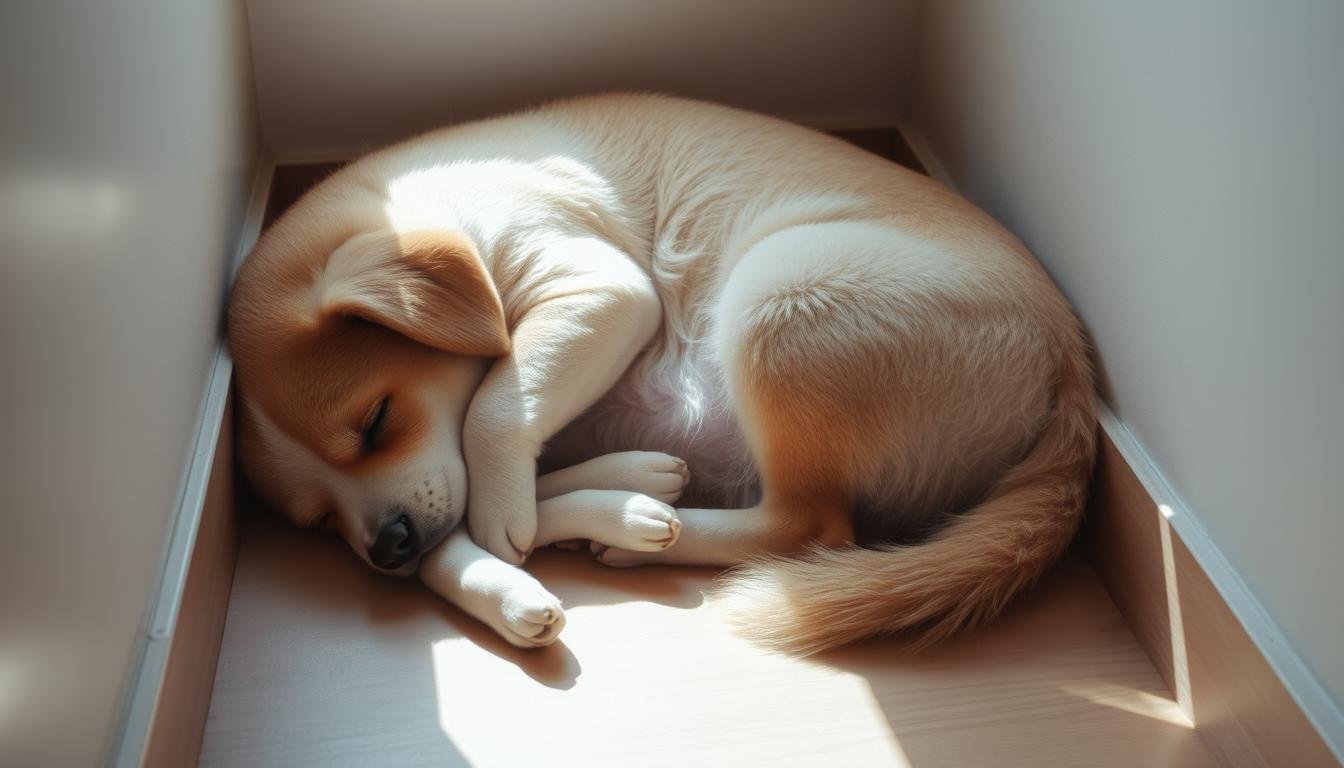
Understanding our pets’ behavior is fascinating and rewarding. Their sleeping position can tell us a lot about their personality and comfort. Just like us, pets have their own ways of resting, showing their emotional state, and well-being. What Your Pet’s Sleeping Position Says About Them Watching how your pet sleeps can give us clues about their comfort and trust. For example, a pet sleeping on its back might feel secure and relaxed. This shows they trust their surroundings. Key Takeaways The Science Behind Pet Sleep Behavior Pets’ sleep patterns are shaped by genetics, environment, and psychology. Knowing these factors helps us understand why pets sleep the way they do. How Sleep Cycles Differ Between Pets and Humans Pets and humans both go through different sleep stages, like REM and non-REM sleep. But the time and how often these stages happen vary a lot between species. For example, dogs spend more time in REM sleep than humans do. This means pets might be processing their experiences or feelings during sleep, just like humans do. pet sleep behavior The Evolutionary Purpose of Sleep Positions Pets’ sleep positions can tell us about their evolutionary history. For instance, curling up helps keep warm and protect important organs, a trait from their wild ancestors. Knowing these positions can show us about a pet’s comfort, security, and trust. By studying the science of pet sleep, we can better meet our pets’ needs. This improves their care and strengthens our bond with them. What Your Pet’s Sleeping Position Says About Them Your pet’s sleeping position is more than a quirk. It shows their comfort and trust in their space. By watching how they sleep, you can learn a lot about their personality and feelings. How Sleep Positions Reflect Personality Traits Different sleeping positions can show different parts of your pet’s personality. For example, pets that sleep on their backs with paws up show they trust and feel comfortable. Pets that curl up in a ball might need security and warmth. Knowing these positions helps you connect with your pet and meet their emotional needs. The Connection Between Comfort, Trust, and Sleep Posture The way your pet sleeps is tied to their comfort and trust. A pet that feels safe will sleep relaxed, like on its side or back. But a tense or anxious pet might sleep curled up or with its back to the wall. By noticing these signs, you can make a safer and more comfortable space for your pet. Watching your pet’s sleep habits and understanding their sleep positions can strengthen your bond. It also ensures their emotional and physical needs are met. Common Dog Sleeping Positions Decoded The way your dog sleeps can reveal a lot about their personality, trust, and how they save energy. Dogs choose certain sleeping positions based on what feels comfortable, safe, and relaxing to them. The Curled-Up Ball: Security and Temperature Regulation Dogs curl up in a ball for security and to keep warm. This shape helps them save heat and feel safe. The Superman: Energy Conservation and Playfulness The “Superman” pose, with a dog lying on their stomach and legs out, shows it’s relaxed but ready to play. It’s a sign of a dog who’s calm but ready for fun. The Side Sleeper: Trust and Relaxation Dogs that sleep on their side trust their surroundings and are very relaxed. This position shows they feel safe and comfortable, exposing their vital organs. Knowing about these dog sleeping positions helps owners understand their pets better. It strengthens the bond between dog and owner. Understanding Cat Sleeping Positions Watching how cats sleep can tell us a lot about their behavior and feelings. Each cat is different, showing various sleeping styles. These styles can show how comfortable, secure, and trusting they feel. The Loaf Position: Alert Relaxation In the loaf position, a cat curls up with their paws under their body. This shows they are alert and relaxed. It means they can rest but are ready to act if needed. The Contortionist: Flexibility and Comfort Some cats sleep in very odd ways, showing their flexibility and comfort. This contortionist pose means they feel very secure and relaxed. The Exposed Belly: Ultimate Trust or Trap? A cat sleeping on its back with its belly up shows ultimate trust in its surroundings. Yet, it’s also a risky position. It means the cat feels safe enough to relax completely. Sleeping Position Indication Loaf Position Alert Relaxation Contortionist Flexibility and Comfort Exposed Belly Ultimate Trust Shared Sleeping Positions Between Cats and Dogs … Read more