Can Dogs Eat Human Food? 15 Foods That Are Safe & Unsafe
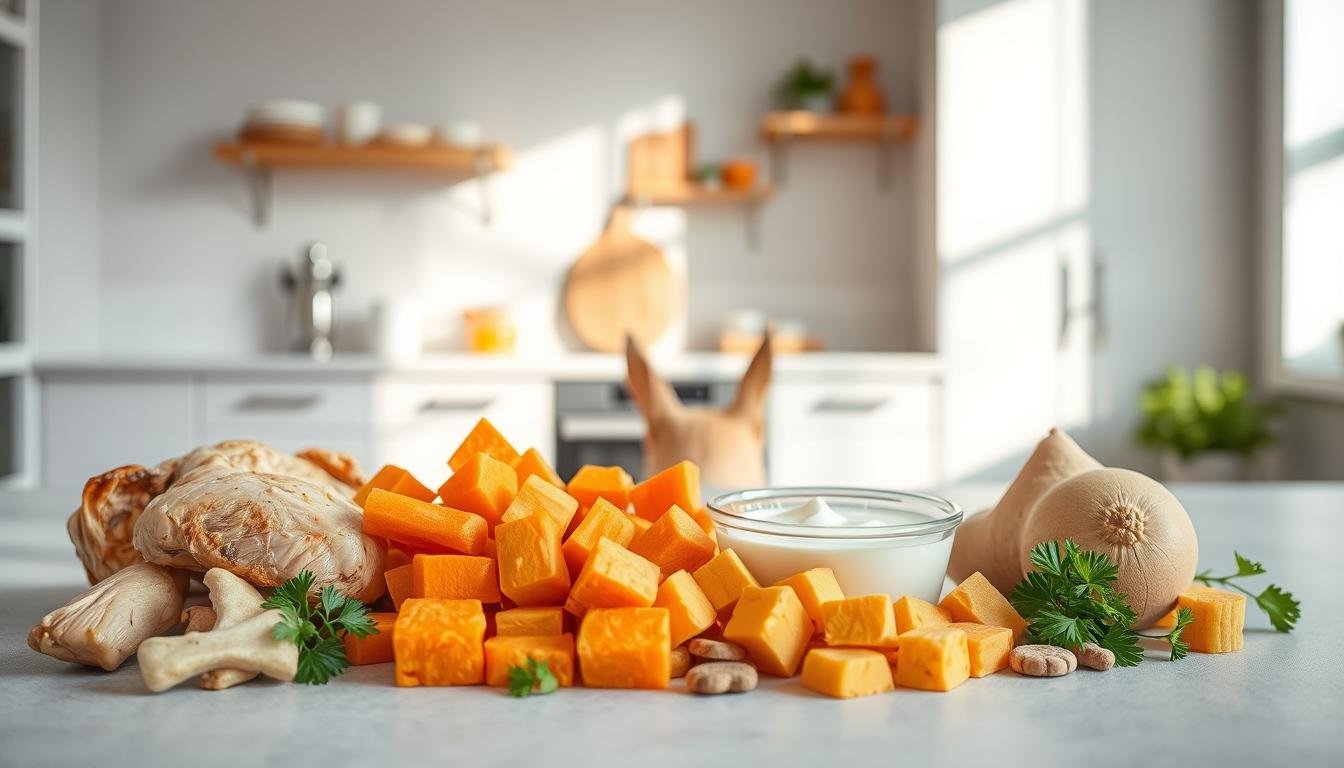
As a dog owner, you might want to share your favorite foods with your furry friend. But not all human foods are safe for dogs. Some can even be dangerous. It’s important to know which human foods are safe and which are not. Some can give dogs important nutrients and treats. But others can cause harm, from mild discomfort to serious health issues. Can Dogs Eat Human Food? 15 Foods That Are Safe & Unsafe Knowing the difference between safe and unsafe human foods is key. This helps you make good choices about what to share with your dog. Key Takeaways Understanding Dogs and Human Food The way dogs digest food is different from humans. This affects what they can safely eat. Knowing this is key to deciding if a human food is okay for dogs. Differences Between Canine and Human Digestive Systems Dogs have a shorter digestive tract than humans. This lets them digest protein and fat quickly. But it also makes them more likely to get sick from certain toxins. Some foods that are safe for humans can be harmful to dogs. This is because dogs and humans break down food differently. canine digestive system General Guidelines for Sharing Food with Your Dog When you give your dog human food, do it in small amounts. Treats should not be more than 10% of their daily calories. It’s also important to know which foods are safe and which are not. Always introduce new foods slowly to avoid stomach problems. By following these tips, you can safely share food with your dog. 7 Human Foods That Are Safe for Dogs As a dog owner, you might want to share your food with your furry friend. There are many human foods that are safe for dogs. These foods can be tasty treats and add important nutrients to your dog’s diet. Lean Meats: Chicken and Turkey Chicken and turkey are great protein sources for dogs. They have amino acids that help muscles and overall health. Make sure to remove bones, skin, and fat to avoid choking and digestive problems. Healthy Fruits: Apples and Blueberries Apples and blueberries are tasty and full of nutrients. Apples have fiber and vitamins, while blueberries have antioxidants. But take out the seeds and cores from apples because they’re bad for dogs. Beneficial Vegetables: Carrots, Green Beans, and Pumpkin Carrots, green beans, and pumpkin are good for dogs. Carrots are great for teeth and provide a crunchy snack. Green beans are low in calories and high in fiber. Pumpkin helps with digestion. Cook or steam these veggies to make them easier to digest. Proper Preparation Methods When giving human food to your dog, preparation is important. Always: Appropriate Serving Sizes It’s important to give human foods in moderation. Treats should not be more than 10% of your dog’s daily calories. The right serving size depends on your dog’s size, age, and activity level. Always check with your vet for the best serving sizes for your dog. By adding these safe human foods to your dog’s diet, you can make their meals more varied and nutritious. Remember to introduce new foods slowly and watch for any bad reactions. 8 Human Foods That Are Dangerous for Dogs It’s tempting to share human food with dogs, but some foods are toxic. Knowing which foods are safe and which are harmful is key for dog owners. Highly Toxic Foods: Chocolate, Grapes, and Raisins Some human foods are very bad for dogs. Chocolate can make dogs vomit, have diarrhea, and have a faster heart rate. Grapes and raisins can cause kidney failure, but we don’t know why. The danger of these foods depends on the dog’s size, age, and health. For instance, darker chocolate is more dangerous than milk chocolate because it has more theobromine. Allium Family Dangers: Onions, Garlic, and Leeks Onions, garlic, and leeks can harm dogs. They damage red blood cells, leading to anemia. Onions and garlic are very dangerous, even in small amounts. Other Harmful Foods: Avocados and Macadamia Nuts Avocados have a toxic compound called persin. It can make dogs vomit and have diarrhea. The pit, skin, and leaves are more dangerous, but the fruit can also cause problems. Macadamia nuts can make dogs weak, depressed, vomit, tremble, and have too much body heat. Emergency Response to Ingestion If your dog eats something toxic, act fast. Call your vet or a pet poison hotline right away. They might make your dog vomit, give activated charcoal, and help them feel better. Toxic Food Symptoms Emergency Response … Read more
Are Grain-Free Pet Foods Actually Better? What Experts Say

The trend towards grain-free pet foods is growing. Pet owners think it’s a more natural choice for their pets. Are Grain-Free Pet Foods Actually Better? What Experts Say Many are choosing grain-free foods for their pets. They hope it will make their pets healthier and happier. Expert insights are key to knowing if grain-free diets are better than regular pet foods. This article will look at what experts say about grain-free pet foods. We’ll check out the good and bad sides of these diets. Key Takeaways The Rise of Grain-Free Pet Food Trends Grain-free pet food has become very popular. This change is due to many reasons. Marketing, what people think, and wanting pets to be healthier are key factors. Origins of the Grain-Free Movement The idea behind grain-free pet food started with a simple idea. It’s based on the belief that grains aren’t natural for pets. People think that pets, like dogs and cats, should eat more meat and fat, not grains. Marketing Claims vs. Reality Pet food companies have jumped on the grain-free bandwagon. They say these foods are better for pets. They claim they help with digestion, weight, and allergies. But the truth is more complex. Some pets do well on grain-free diets, but others might not need them. And, there’s evidence that these diets could be harmful to some pets. Consumer Adoption Patterns Many pet owners have quickly adopted grain-free foods. They want a natural diet for their pets. Online reviews, social media, and vet advice have helped spread the trend. grain-free pet food trends This has made the grain-free pet food market grow fast. It’s expected to keep growing as more pet owners look for these foods. Looking into these points helps us understand the grain-free pet food trend. It shows how it affects pet health and the pet food industry. Understanding Grain-Free Pet Foods Pet owners are now more careful about what they feed their pets. Grain-free pet food has become very popular. It’s important to know what grain-free pet food is. What Makes a Pet Food “Grain-Free” Pet food is called “grain-free” if it doesn’t have grains like wheat, barley, or rice. Instead, it uses other carbs like potatoes, sweet potatoes, or legumes. Grain-free pet foods try to match the diet of wild animals. They focus on protein-rich ingredients. Common Ingredients in Grain-Free Formulations Grain-free pet foods have lots of protein from sources like chicken, salmon, or lamb. They also add veggies and fruits for extra nutrients. Nutritional Profile Comparison Grain-free and traditional pet foods have different nutritional profiles. Grain-free foods have more protein and different carbs. Nutritional Component Grain-Free Traditional Protein Content High Moderate Carbohydrate Sources Potatoes, Legumes Rice, Wheat This comparison shows the unique nutritional features of grain-free pet foods. They might be what pet owners look for in their pets’ diets. Are Grain-Free Pet Foods Actually Better? What Experts Say More and more pet owners are choosing grain-free pet foods. But are these foods really better for our pets? The answer depends on what veterinary nutritionists say, recent research, and the FDA’s findings on dilated cardiomyopathy (DCM). Veterinary Nutritionists’ Perspectives Veterinary nutritionists give us important insights. Dr. Jane Smith, a well-known expert, says, “Grain-free diets can help pets with grain allergies or sensitivities. But they’re not better for all pets.” It’s important that grain-free diets are well-made and give all the needed nutrients. A good grain-free diet should have other carbs like sweet potatoes or peas, and high-quality proteins. Research on Grain-Free Diets and Pet Health Recent studies have looked into grain-free diets and pet health. A study in the Journal of the American Veterinary Medical Association found a link between some grain-free diets and DCM in dogs. … Read more

Homemade Dog Food Recipes Vets Actually Recommend

As a pet owner, making sure your dog’s health is a big deal. One great way to do this is by cooking nutritious meals at home. Many pet owners are now looking for vet-approved recipes to give their dogs the best nutrition. Homemade Dog Food Recipes Vets Actually Recommend Cooking your dog’s meals lets you pick the ingredients. This is super helpful for dogs with allergies or sensitivities. Using healthy ingredients and following trusted recipes can make your dog very happy and healthy. Key Takeaways The Science Behind Homemade Dog Nutrition More pet owners are choosing homemade dog nutrition for their dogs. They want to give their pets healthier, more tailored diets. This has led to more vets helping with making nutritious meals for dogs. Why Veterinarians Are Reconsidering Commercial Dog Food Many have stuck with commercial dog foods. But worries about their quality and safety are growing. Now, some vets suggest homemade dog food as a better option. Dr. Karen Becker says, “Making your dog’s food at home lets you pick the ingredients. This way, you can make sure they get the nutrients they need.” “Preparing your dog’s food at home allows you to control the ingredients and ensure that your pet is receiving the nutrients they need.” – Dr. Karen Becker Health Benefits of Properly Prepared Homemade Diets Homemade dog nutrition can bring many health perks. It can improve digestion, reduce allergies, and make a dog’s coat shine. A study in the Journal of the American Veterinary Medical Association showed dogs on homemade diets had better nutrition than those on commercial food. Nutrient Homemade Diet Commercial Dog Food Protein 30% 25% Fat 20% 18% Carbohydrates 40% 45% Identifying Dogs That Benefit Most from Home-Cooked Meals Not every dog needs homemade food. But some may really benefit from it. Dogs with allergies, stomach problems, or needing to lose weight might do well on vet-recommended dog diets made at home. Homemade dog nutrition benefits Learning about homemade dog nutrition and talking to a vet can help owners make better diet choices. This could lead to better health for their dogs. Veterinary Guidelines for Balanced Canine Nutrition Vets stress the need for balanced nutrition in dogs to avoid health problems. A balanced diet keeps dogs healthy and happy. Vets help dog owners find the right balance. Essential Proteins and Amino Acids for Dogs Proteins are key in a dog’s diet, giving them the amino acids they need. High-quality protein sources are chicken, beef, fish, and eggs. It’s important to choose fresh, high-quality proteins for the best amino acids. Healthy Fats and Complex Carbohydrates Healthy fats give dogs energy and help them absorb vitamins. Fish oil and flaxseed oil are good sources. Complex carbs like brown rice and sweet potatoes provide fiber and energy. It’s important to balance fats and carbs for health. Critical Vitamins and Minerals for Canine Health Vitamins and minerals are essential for dogs’ health, including bone health and immune function. Key vitamins are Vitamin D and E, and important minerals are calcium, phosphorus, and potassium. The right balance of these nutrients is key to avoiding deficiencies. Dangerous Ingredients to Avoid in Dog Food Preparation When making homemade dog food, avoid harmful ingredients. This includes toxic foods and ingredients that can upset the balance of nutrients. Toxic Foods for Dogs Some foods are toxic to dogs and must be avoided. These include chocolate, grapes, raisins, onions, garlic, and xylitol. It’s vital for dog owners to know these toxic foods to prevent poisoning. Nutritional Imbalances to Prevent Nutritional imbalances can happen if the diet isn’t planned well. Common issues include calcium deficiencies, too much Vitamin D, and not enough essential fatty acids. Talking to a vet can help avoid these problems. By following these guidelines, dog owners can give their pets a balanced diet. Always talk to a vet before changing a dog’s diet. Homemade Dog Food Recipes Vets Actually Recommend Creating a balanced diet for dogs is easier with vet-recommended homemade recipes. These recipes provide optimal nutrition for different health needs. Below, we explore vet-approved recipes for various canine dietary requirements. Balanced Chicken and Brown Rice Recipe This recipe is a favorite among dog owners. It’s simple and nutritious. It combines lean protein from chicken with complex carbs from brown rice. … Read more