Best Indoor Cats for Apartment Living
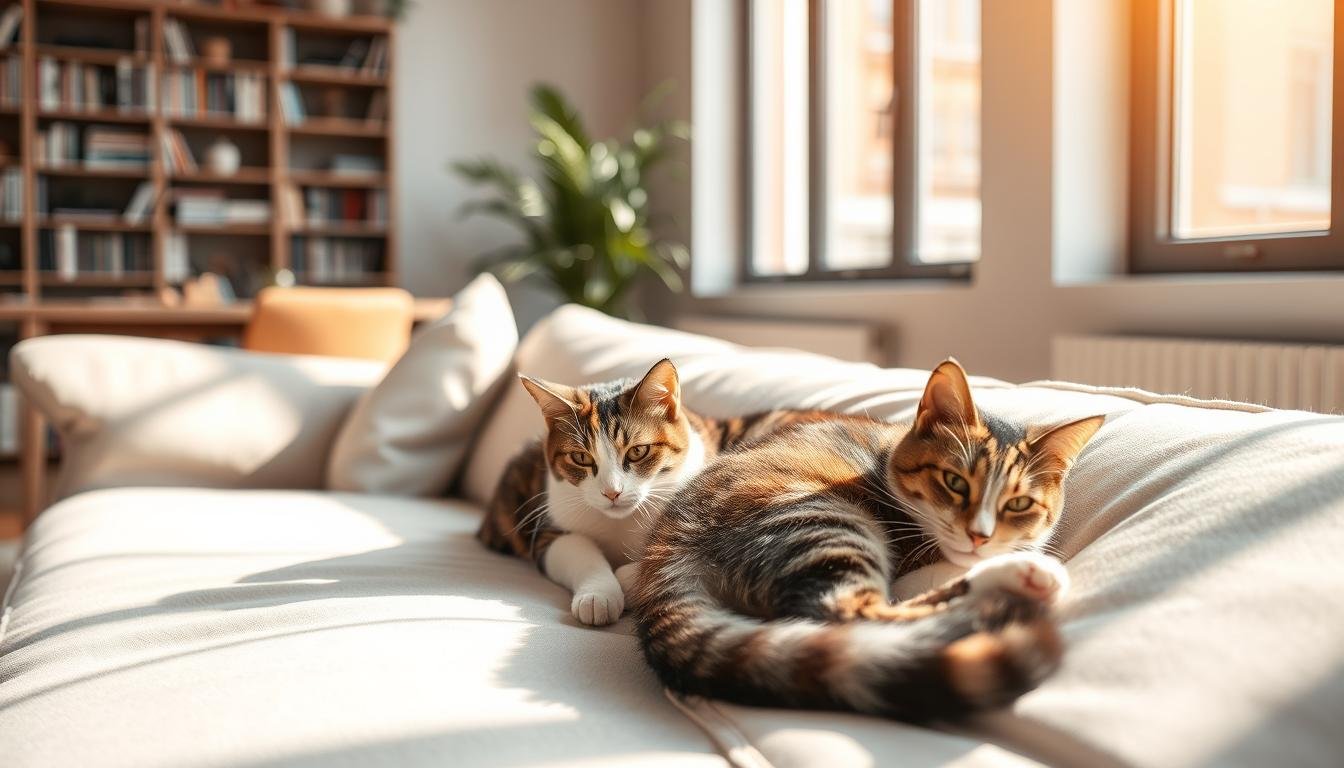
Choosing the right cat breed is key to a peaceful home, even in apartment living. You need a cat that is calm, quiet, and doesn’t need a lot of space or exercise. Best Indoor Cats for Apartment Living The perfect indoor cat can live happily in a small space without bothering you too much. With so many breeds out there, picking the best cat for your apartment can be tough. Key Takeaways Why Choose an Indoor Cat for Your Apartment Having an indoor cat in an apartment comes with many benefits. They are great for small spaces and are safer indoors. This makes them perfect for apartment living. Benefits of Indoor Cats in Limited Spaces Indoor cats love small, cozy spots. This fits well with the limited space in apartments. They don’t need a lot of room to play, making them ideal for small homes. Benefits Description Space Efficiency Indoor cats are comfortable in small spaces, making them ideal for apartments. Low Maintenance They are generally less messy and destructive, suiting smaller living spaces. Quiet Environment Indoor cats help maintain a quiet environment, as they are less likely to disturb neighbors. Health and Safety Advantages Indoor cats stay safe from dangers outside like cars, diseases, and parasites. This lowers the chance of getting hurt or sick. Health advantages include less risk of catching diseases from animals, making them a healthier choice for apartment living. health advantages of indoor cats Top Factors to Consider When Choosing an Apartment Cat Choosing the right cat for an apartment is important. You need to think about what different cats need and how they behave. This helps create a happy home for both you and your cat. Space Requirements and Adaptability Apartment cats don’t need a lot of room, but they do need some space to move. Compact breeds like the Singapura or Devon Rex are great for small places. It’s key to pick a cat that can handle living in a smaller space. Noise Levels and Vocalization Some cats are quieter than others. For example, the British Shorthair is known for being very quiet. As one expert says, “A cat’s vocalization can be a big deal in apartment living, where sounds can easily spread between units.” Energy Levels and Exercise Needs Cats with lots of energy need more playtime and activities. Interactive toys and vertical space can keep them busy. Breeds like the Abyssinian are playful but can live well in apartments with enough exercise. Best Indoor Cats for Apartment Living: Top Breeds Some cat breeds are perfect for living in apartments. The British Shorthair, Ragdoll, and Russian Blue are great examples. They have special traits that make them ideal for indoor living. British Shorthair The British Shorthair is known for being easy-going and sturdy. They are perfect for apartments because they are calm. Temperament and Space Needs British Shorthairs are laid-back and don’t need much space. They are happy to stay indoors and don’t ask for much. Care Requirements They have a short, dense coat that’s easy to groom. They are generally healthy, but it’s good to take them to the vet regularly. Ragdoll Ragdolls are known for being very affectionate and having soft, silky coats. They are big cats, but are calm enough for apartments. Personality Traits Ragdolls go limp when picked up, showing how affectionate and gentle they are. Grooming Needs They have a thick coat that needs regular brushing to avoid matting. Brush them several times a week. Russian Blue The Russian Blue is quiet and reserved, making them great for apartments. They have a thick, plush coat and beautiful green eyes. Quiet Nature and Independence Russian Blues are not demanding and enjoy playing alone. They are perfect for busy apartment dwellers. … Read more