Traveling with Pets: Tips for a Stress-Free Journey
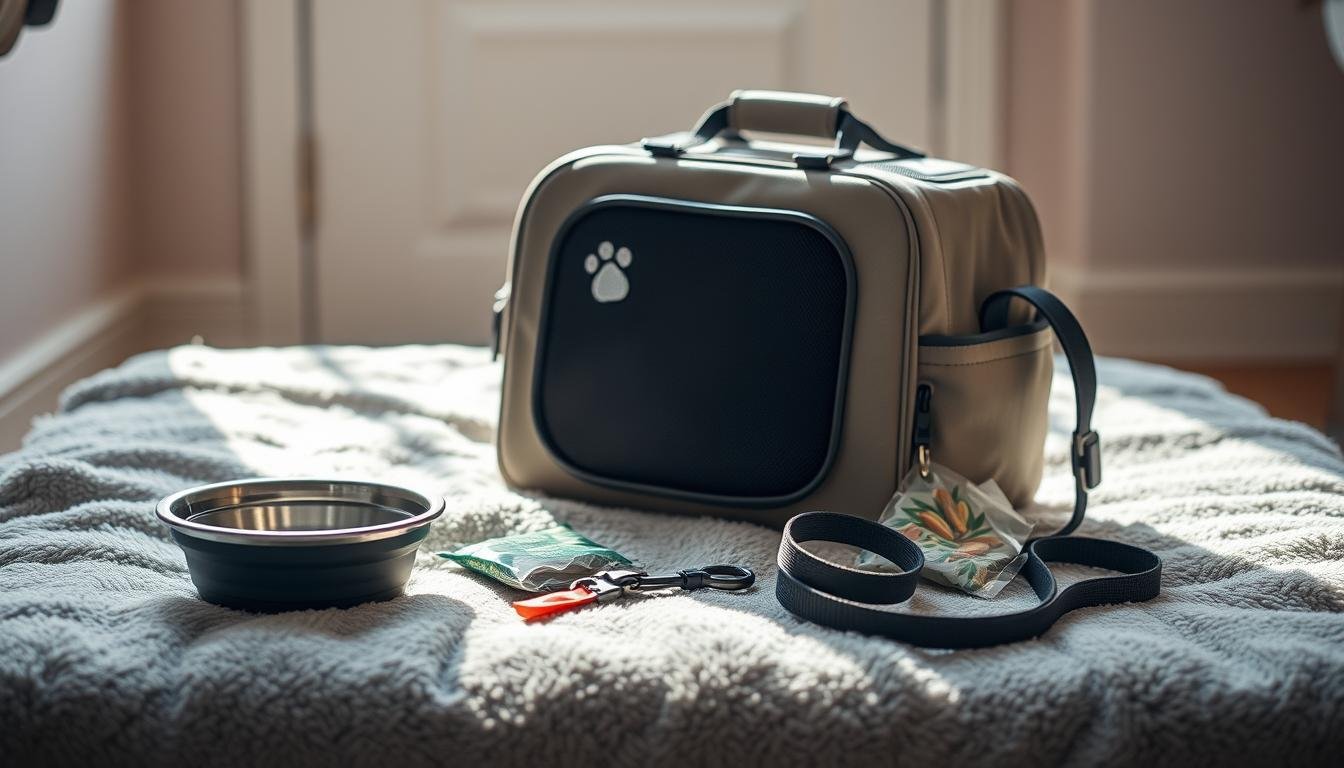
Going on a trip with your furry friend can seem scary. But, with the right steps, it can be a stress-free experience for you and your pet. Traveling with Pets: Tips for a Stress-Free Journey To make the trip smooth, prepare your pet well. Get any needed health certificates. Help your pet get used to their carrier. And, plan for breaks during the journey. By using pet travel tips from experts, you can make the journey stress-free. This makes the trip fun for everyone. Key Takeaways Preparing Your Pet for Travel Getting your pet ready for travel means several important steps. This includes health check-ups and packing the right gear. It’s all about making sure your pet stays healthy and safe on the journey. Essential Health Check-ups and Documentation First, take your pet to the vet before you travel. This check-up ensures your pet is healthy enough for the trip. It’s also a chance to talk about any special needs or concerns. Vaccination Requirements and Health Certificates Make sure your pet’s vaccinations are current. The rules can change based on where you’re going. You’ll also need a health certificate, usually within 10 days of travel. This proves your pet is healthy and meets travel rules. Microchipping and ID Tags Microchip your pet and keep their ID tags updated. This helps find them if they get lost. Also, have a recent photo of your pet for identification. Documentation Purpose Timeline Health Certificate Confirms pet’s health status Within 10 days of travel Vaccination Records Ensures compliance with destination requirements Up-to-date as per destination requirements Microchip Information Facilitates identification Before travel Packing the Perfect Pet Travel Kit A good pet travel kit is key to your pet’s comfort and safety. It should include food, water, medication, and comfort items. Food, Water, and Medication Essentials Bring enough of your pet’s regular food for the trip and a little extra. Don’t forget a portable water bowl and any medication. Include any prescriptions or needed documents, too. Comfort Items and Toys Include familiar items and toys in the kit to reduce stress. Choose durable items that won’t be a choking hazard. pet travel kit Pre-Travel Training and Acclimation Get your pet used to their travel carrier or crate. Start by introducing it slowly. Make it a cozy space with familiar bedding and toys. Train your pet to stay calm during travel. Use gradual exposure, positive reinforcement, and calming aids as your vet suggests. Traveling with Pets: Tips for a Stress-Free Journey by Car Going on a road trip with your pet can be exciting. But it’s important to plan carefully to keep them safe and comfortable. With the right steps, you can make the trip enjoyable for both you and your pet. Safety Measures for Road Trips with Pets Keeping your pet safe in the car is key. Using pet restraint systems or carriers is a great way to do this. These tools keep your pet from moving around, which helps prevent injuries to both your pet and you. Pet Restraint Systems and Carriers There are many pet restraint systems out there, like harnesses, carriers, and barriers. The right one depends on your pet’s size and personality. For example, a harness works well for dogs, while a carrier is better for cats or small animals. Temperature Control in Vehicles Keeping the car at a comfortable temperature is important. It helps prevent heatstroke or hypothermia. Never leave your pet alone in the car, and try to travel when it’s cooler. Make sure your car’s air conditioning works well. Planning Pet-Friendly Stops Along Your Route Planning to include pet-friendly stops can greatly improve your pet’s travel experience. These stops give your pet the chance to exercise and relieve themselves during long drives. Pet-Friendly Stop Type … Read more
Are Grain-Free Pet Foods Actually Better? What Experts Say

The trend towards grain-free pet foods is growing. Pet owners think it’s a more natural choice for their pets. Are Grain-Free Pet Foods Actually Better? What Experts Say Many are choosing grain-free foods for their pets. They hope it will make their pets healthier and happier. Expert insights are key to knowing if grain-free diets are better than regular pet foods. This article will look at what experts say about grain-free pet foods. We’ll check out the good and bad sides of these diets. Key Takeaways The Rise of Grain-Free Pet Food Trends Grain-free pet food has become very popular. This change is due to many reasons. Marketing, what people think, and wanting pets to be healthier are key factors. Origins of the Grain-Free Movement The idea behind grain-free pet food started with a simple idea. It’s based on the belief that grains aren’t natural for pets. People think that pets, like dogs and cats, should eat more meat and fat, not grains. Marketing Claims vs. Reality Pet food companies have jumped on the grain-free bandwagon. They say these foods are better for pets. They claim they help with digestion, weight, and allergies. But the truth is more complex. Some pets do well on grain-free diets, but others might not need them. And, there’s evidence that these diets could be harmful to some pets. Consumer Adoption Patterns Many pet owners have quickly adopted grain-free foods. They want a natural diet for their pets. Online reviews, social media, and vet advice have helped spread the trend. grain-free pet food trends This has made the grain-free pet food market grow fast. It’s expected to keep growing as more pet owners look for these foods. Looking into these points helps us understand the grain-free pet food trend. It shows how it affects pet health and the pet food industry. Understanding Grain-Free Pet Foods Pet owners are now more careful about what they feed their pets. Grain-free pet food has become very popular. It’s important to know what grain-free pet food is. What Makes a Pet Food “Grain-Free” Pet food is called “grain-free” if it doesn’t have grains like wheat, barley, or rice. Instead, it uses other carbs like potatoes, sweet potatoes, or legumes. Grain-free pet foods try to match the diet of wild animals. They focus on protein-rich ingredients. Common Ingredients in Grain-Free Formulations Grain-free pet foods have lots of protein from sources like chicken, salmon, or lamb. They also add veggies and fruits for extra nutrients. Nutritional Profile Comparison Grain-free and traditional pet foods have different nutritional profiles. Grain-free foods have more protein and different carbs. Nutritional Component Grain-Free Traditional Protein Content High Moderate Carbohydrate Sources Potatoes, Legumes Rice, Wheat This comparison shows the unique nutritional features of grain-free pet foods. They might be what pet owners look for in their pets’ diets. Are Grain-Free Pet Foods Actually Better? What Experts Say More and more pet owners are choosing grain-free pet foods. But are these foods really better for our pets? The answer depends on what veterinary nutritionists say, recent research, and the FDA’s findings on dilated cardiomyopathy (DCM). Veterinary Nutritionists’ Perspectives Veterinary nutritionists give us important insights. Dr. Jane Smith, a well-known expert, says, “Grain-free diets can help pets with grain allergies or sensitivities. But they’re not better for all pets.” It’s important that grain-free diets are well-made and give all the needed nutrients. A good grain-free diet should have other carbs like sweet potatoes or peas, and high-quality proteins. Research on Grain-Free Diets and Pet Health Recent studies have looked into grain-free diets and pet health. A study in the Journal of the American Veterinary Medical Association found a link between some grain-free diets and DCM in dogs. … Read more