How to Introduce a New Pet to Your Existing One
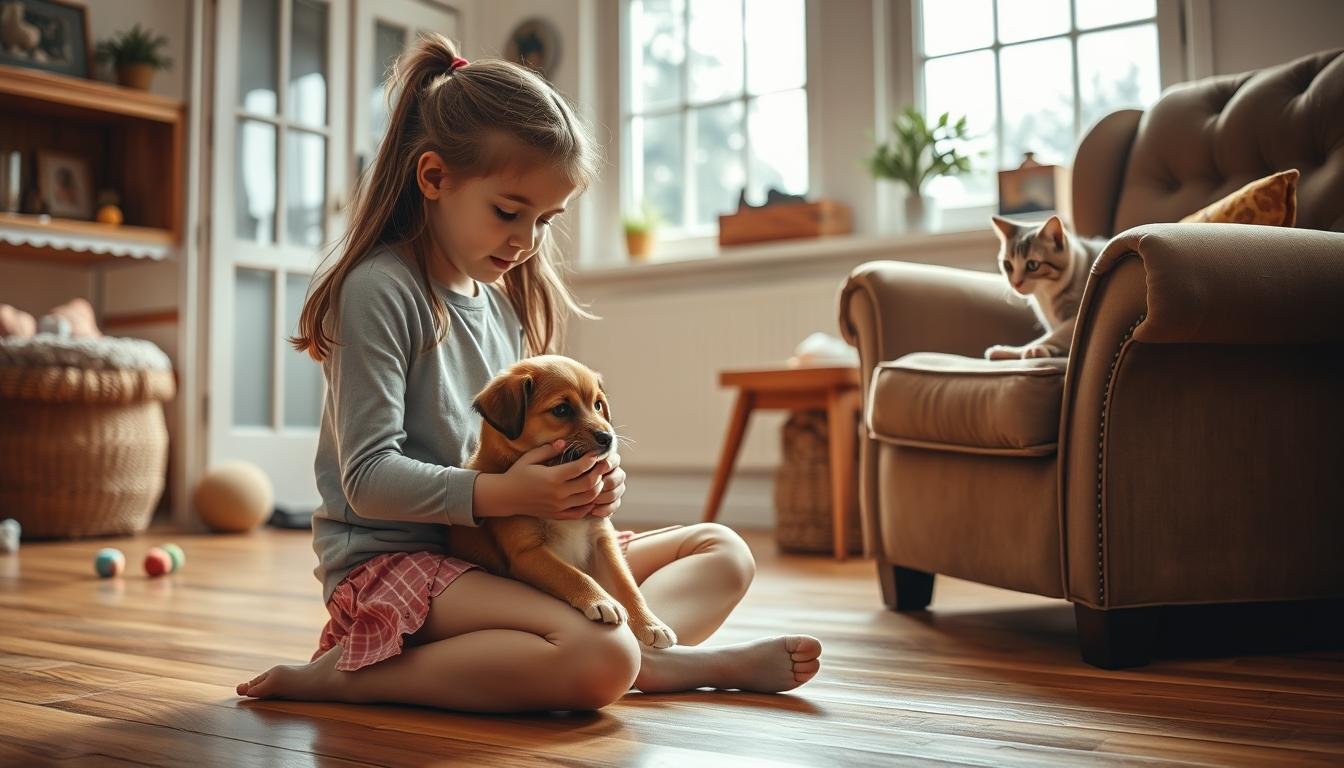
Bringing a new pet home is exciting, but it can also be tough, especially if you already have a pet. The secret to a smooth introduction is knowing pet psychology and following a clear plan. How to Introduce a New Pet to Your Existing One To create a harmonious household, you need to get your home and pets ready for the newcomer. This means more than just bringing the pets together. It’s about doing it in a way that reduces stress and encourages peace. Key Takeaways Understanding Pet Psychology During Introductions Many pet owners don’t realize how hard it is to introduce a new pet to an existing one. It’s all about understanding animal behavior. Pets have instincts that shape how they interact, like defending their territory and setting a household hierarchy. Territory and Hierarchy in Animal Behavior Animals naturally feel a need to protect their territory. When a new pet comes in, this can cause problems. It’s important to know that pets may try to defend their space or show who’s boss. Pet psychology during introductions Stress Signals to Watch For It’s key to spot stress signs in pets during introductions. Look out for growling, hissing, avoiding others, or changes in eating and sleeping. Catching these signs early helps avoid bigger issues. The Importance of Patience and Timing Being patient and timing things right is essential for a smooth introduction. Hurrying can upset pets. Letting them get used to each other slowly and carefully helps them live together peacefully. Stress Signals Intervention Strategies Growling, Hissing Separate immediately, restart introduction process Avoidance Behaviors Increase positive reinforcement, gradual exposure Changes in Appetite/Sleep Monitor closely, consult a veterinarian if necessary Preparation Before Bringing Your New Pet Home Before bringing a new pet home, it’s important to prepare well. This ensures a smooth transition for all pets. It’s a key step to a harmonious home. Creating Separate Living Spaces First, create separate living areas for your pets. This reduces stress and prevents fights. Give each pet its own space for eating, sleeping, and relaxing. Gathering Essential Supplies for Both Pets It’s also key to gather essential supplies for both pets. You’ll need food, water bowls, and litter boxes. Having duplicate supplies helps avoid competition and stress. Make sure each pet has its own set to prevent rivalry. Pre-Introduction Veterinary Checkups Before introducing pets, a vet check is essential. This ensures both pets are healthy. The check includes: Ensuring Vaccinations Are Current Up-to-date vaccinations are vital for pet health. Talk to your vet about the best vaccination schedule for your pets. Addressing Existing Health Issues Any health issues in pets should be fixed before introducing them. This prevents problems during the introduction. It ensures a healthier home for both pets. How to Introduce a New Pet to Your Existing One: Step-by-Step Guide Introducing a new pet to your existing one needs a slow and careful approach. This method helps lower stress and anxiety for both pets. It makes the transition easier. The Scent Exchange Method Start by swapping the pets’ scents. You can use their bedding, toys, or clothes. This first step lets your pets get used to each other’s smell without seeing each other. Controlled Visual Introduction Through Barriers When pets are okay with each other’s smells, it’s time for a visual introduction. Use a baby gate or screen door to keep them safe while they see each other. Watch their reactions and body language closely during this time. First Supervised Face-to-Face Meetings When pets seem okay with seeing each other, it’s time for their first face-to-face meeting. Pick a neutral spot where neither pet feels like they own it. Keep the meeting short. Watch their behavior to make sure they interact well. Gradual Increase in Interaction Time As pets get more comfortable, you can let them spend more time together. Keep watching their interactions until you’re sure they get along. Give them treats for calm behavior to help them get along better. … Read more
What Your Pet’s Sleeping Position Says About Them

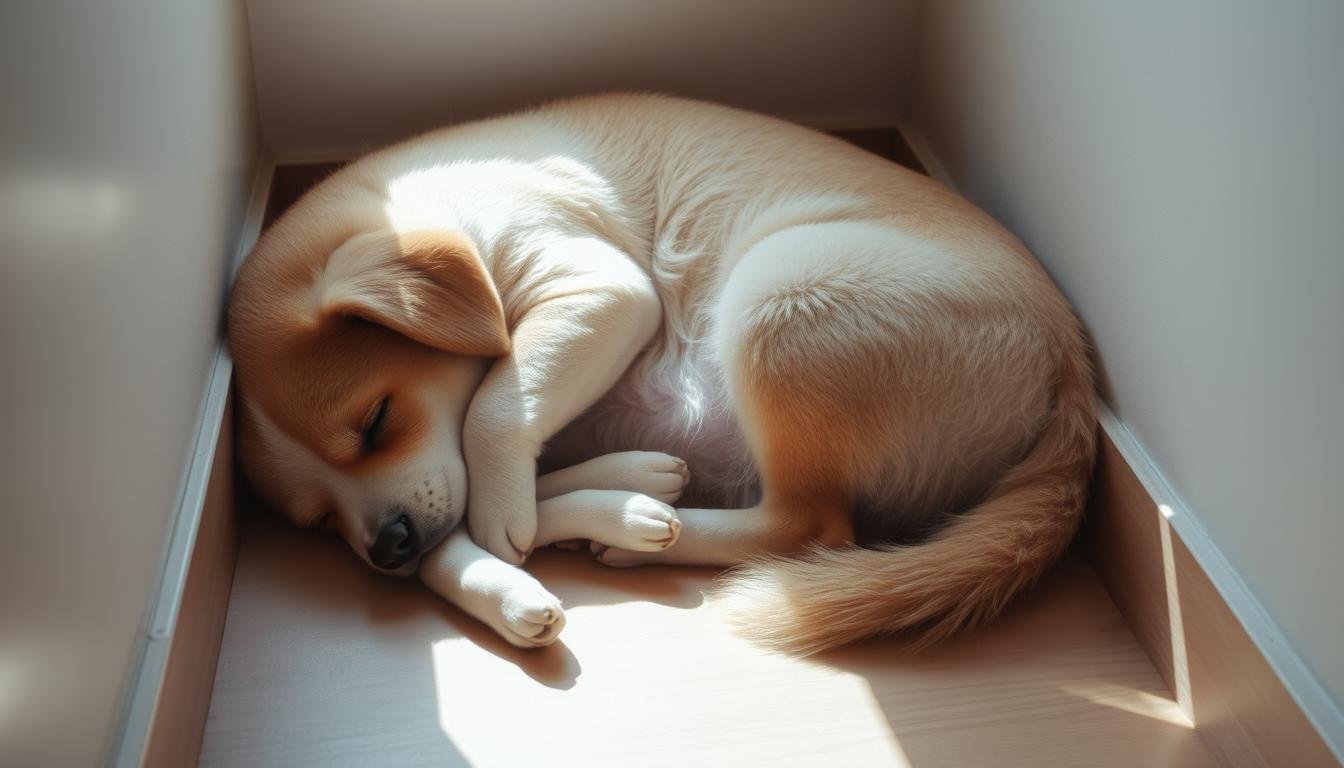
Understanding our pets’ behavior is fascinating and rewarding. Their sleeping position can tell us a lot about their personality and comfort. Just like us, pets have their own ways of resting, showing their emotional state, and well-being. What Your Pet’s Sleeping Position Says About Them Watching how your pet sleeps can give us clues about their comfort and trust. For example, a pet sleeping on its back might feel secure and relaxed. This shows they trust their surroundings. Key Takeaways The Science Behind Pet Sleep Behavior Pets’ sleep patterns are shaped by genetics, environment, and psychology. Knowing these factors helps us understand why pets sleep the way they do. How Sleep Cycles Differ Between Pets and Humans Pets and humans both go through different sleep stages, like REM and non-REM sleep. But the time and how often these stages happen vary a lot between species. For example, dogs spend more time in REM sleep than humans do. This means pets might be processing their experiences or feelings during sleep, just like humans do. pet sleep behavior The Evolutionary Purpose of Sleep Positions Pets’ sleep positions can tell us about their evolutionary history. For instance, curling up helps keep warm and protect important organs, a trait from their wild ancestors. Knowing these positions can show us about a pet’s comfort, security, and trust. By studying the science of pet sleep, we can better meet our pets’ needs. This improves their care and strengthens our bond with them. What Your Pet’s Sleeping Position Says About Them Your pet’s sleeping position is more than a quirk. It shows their comfort and trust in their space. By watching how they sleep, you can learn a lot about their personality and feelings. How Sleep Positions Reflect Personality Traits Different sleeping positions can show different parts of your pet’s personality. For example, pets that sleep on their backs with paws up show they trust and feel comfortable. Pets that curl up in a ball might need security and warmth. Knowing these positions helps you connect with your pet and meet their emotional needs. The Connection Between Comfort, Trust, and Sleep Posture The way your pet sleeps is tied to their comfort and trust. A pet that feels safe will sleep relaxed, like on its side or back. But a tense or anxious pet might sleep curled up or with its back to the wall. By noticing these signs, you can make a safer and more comfortable space for your pet. Watching your pet’s sleep habits and understanding their sleep positions can strengthen your bond. It also ensures their emotional and physical needs are met. Common Dog Sleeping Positions Decoded The way your dog sleeps can reveal a lot about their personality, trust, and how they save energy. Dogs choose certain sleeping positions based on what feels comfortable, safe, and relaxing to them. The Curled-Up Ball: Security and Temperature Regulation Dogs curl up in a ball for security and to keep warm. This shape helps them save heat and feel safe. The Superman: Energy Conservation and Playfulness The “Superman” pose, with a dog lying on their stomach and legs out, shows it’s relaxed but ready to play. It’s a sign of a dog who’s calm but ready for fun. The Side Sleeper: Trust and Relaxation Dogs that sleep on their side trust their surroundings and are very relaxed. This position shows they feel safe and comfortable, exposing their vital organs. Knowing about these dog sleeping positions helps owners understand their pets better. It strengthens the bond between dog and owner. Understanding Cat Sleeping Positions Watching how cats sleep can tell us a lot about their behavior and feelings. Each cat is different, showing various sleeping styles. These styles can show how comfortable, secure, and trusting they feel. The Loaf Position: Alert Relaxation In the loaf position, a cat curls up with their paws under their body. This shows they are alert and relaxed. It means they can rest but are ready to act if needed. The Contortionist: Flexibility and Comfort Some cats sleep in very odd ways, showing their flexibility and comfort. This contortionist pose means they feel very secure and relaxed. The Exposed Belly: Ultimate Trust or Trap? A cat sleeping on its back with its belly up shows ultimate trust in its surroundings. Yet, it’s also a risky position. It means the cat feels safe enough to relax completely. Sleeping Position Indication Loaf Position Alert Relaxation Contortionist Flexibility and Comfort Exposed Belly Ultimate Trust Shared Sleeping Positions Between Cats and Dogs … Read more

How to Stop Your Dog from Barking Excessively

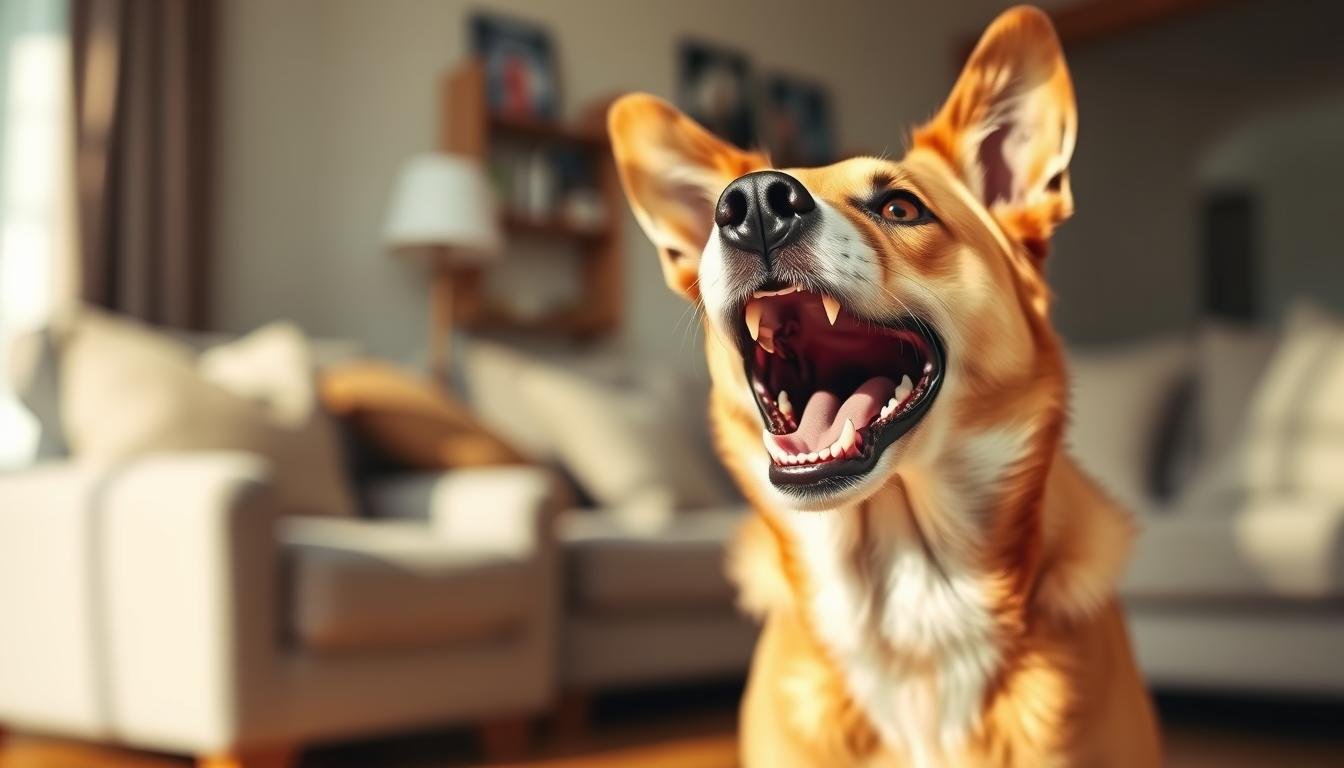
Excessive barking can really stress out dog owners and mess up the home. It’s key to figure out why your dog is barking so much. How to Stop Your Dog from Barking Excessively Once you know why, you can start making your home quieter. Excessive barking usually means there’s something bothering your dog, like anxiety or boredom. Key Takeaways Understanding Why Dogs Bark To tackle excessive barking, we must first understand why dogs bark. Barking is a natural way for dogs to communicate. Natural Canine Communication Dogs bark to share their feelings and needs. This includes excitement, alertness, or anxiety. Canine communication is complex, using vocalizations, body language, and scent marking. Barking can warn others, ask for attention, or show how they feel. canine communication When Barking Becomes Excessive While barking is normal, excessive barking might signal deeper issues. These could be anxiety, boredom, or health problems. Finding the cause of excessive barking is key to solving it. Recognizing the signs helps dog owners start fixing the problem. Common Causes of Excessive Barking It’s important to know why your dog barks too much. There are many reasons, and finding the main cause is key to fixing the problem. Territorial and Protective Barking Dogs bark to protect their home and family. This is a natural instinct that can be triggered by strangers or other animals. Proper training and socialization can help manage this behavior. Attention-Seeking Behavior Some dogs bark to get attention from people. If they get attention for barking, they might keep doing it. Ignoring the barking and rewarding calm behavior can help stop this. Anxiety and Fear-Based Barking Dogs can bark due to anxiety or fear. This can be caused by noises, people, or situations. Creating a safe environment and using calming aids can help reduce this barking. Boredom and Lack of Stimulation Dogs need both physical and mental stimulation. Without enough exercise or activities, they can get bored and bark too much. Providing enough exercise and mental stimulation can help reduce this barking. Cause Description Solution Territorial/Protective Barking to protect territory or family Proper training and socialization Attention-Seeking Barking to gain attention Ignoring barking, rewarding calm behavior Anxiety/Fear-Based Barking due to anxiety or fear Creating a safe environment, calming aids Boredom Barking due to lack of stimulation Adequate exercise and mental stimulation Identifying Your Dog’s Barking Triggers To solve your dog’s barking problem, you must find out what causes it. Knowing what makes your dog bark helps you plan to reduce or stop these triggers. Keeping a Barking Journal Keeping a barking journal is a great way to find out what triggers your dog’s barking. You record when your dog barks, what happens before and after, and any possible triggers you notice. With a detailed journal, you can spot patterns in your dog’s barking. This insight is key to understanding why your dog barks too much. Recognizing Barking Patterns Spotting patterns in your dog’s barking is essential. By looking at your journal, you can find common triggers and ways to deal with them. Trigger Possible Cause Potential Solution Strangers at the door … Read more