Signs Your Pet Might Be Depressed—and What to Do About It

Pet depression is a big worry for many pet owners in the U.S. We focus a lot on our pets’ physical health. But it’s just as important to watch for signs of depression in them. Pets can get animal depression just like people do. It shows in different ways. It’s key for pet owners to know these signs to help their pets. Signs Your Pet Might Be Depressed—and What to Do About It Finding out if your pet is depressed can be tough. But it’s the first step to helping them. By knowing what causes and shows depression, pet owners can help their pets’ mental health. Key Takeaways Understanding Pet Depression: Is It Real? As we learn more about our pets’ feelings, we wonder: Can pets really get depressed? The answer is yes, but it’s about understanding their emotional lives and what affects their mental health. pet depression How Depression Manifests in Animals Depression in pets shows up in ways similar to humans. Changes in appetite, sleep patterns, and social withdrawal are signs. They might also show less interest in fun activities they used to love. The Science Behind Pet Emotions Research shows pets can feel many emotions, like joy, fear, and sadness. Studies found that pets have brain parts similar to humans for emotional processing. This means pets can feel depression, influenced by genetics, environment, and social factors. The science world keeps studying pet emotions. They stress the need to recognize and help pets with mental health issues. By understanding our pets’ feelings, we can better support their happiness and health. Signs Your Pet Might Be Depressed—and What to Do About It Depression in pets can show in many ways. Knowing these signs is key to helping your pet. It’s the first step in giving them the care they need. Changes in Eating and Sleeping Patterns One sign of pet depression is changes in eating. Your pet might eat less or more than usual. Sleeping too much or too little can also be a sign. To help, try a regular feeding schedule. Make sure their sleeping area is comfy. Tips for Managing Eating and Sleeping Changes: Withdrawal and Social Behavior Changes Depressed pets often hide or avoid others. To help, slowly get them involved in social activities again. Spend time with your pet and encourage them to play with others. Strategies for Encouraging Social Interaction: Decreased Interest in Activities If your pet no longer enjoys activities they used to love, it’s a sign of depression. Try introducing new toys or activities. Rotating toys can also keep things interesting. Excessive Licking or Destructive Behaviors Excessive licking or destructive behavior can be a sign of depression. These actions might be a way for your pet to cope with stress. Make sure they get enough exercise, mental stimulation, and training. Signs of Pet Depression Actions to Take Changes in eating and sleeping patterns Establish a consistent routine, monitor food intake, and create a comfortable sleeping area. Withdrawal and social behavior changes Introduce new toys or activities, and rotate toys regularly. Decreased interest in activities Introduce new toys or activities, rotate toys regularly. Excessive licking or destructive behaviors Provide adequate exercise, mental stimulation, and training. Common Causes of Pet Depression It’s important for pet owners to know why their pets might feel depressed. Pets can get depressed just like people do. This happens because of different things that affect their mental health. Pet care experts say pets are very sensitive to their surroundings and the feelings of those around them. “Changes in a pet’s environment or social structure can significantly impact their mental well-being.” Environmental Changes and Relocations … Read more


Are Grain-Free Pet Foods Actually Better? What Experts Say

The trend towards grain-free pet foods is growing. Pet owners think it’s a more natural choice for their pets. Are Grain-Free Pet Foods Actually Better? What Experts Say Many are choosing grain-free foods for their pets. They hope it will make their pets healthier and happier. Expert insights are key to knowing if grain-free diets are better than regular pet foods. This article will look at what experts say about grain-free pet foods. We’ll check out the good and bad sides of these diets. Key Takeaways The Rise of Grain-Free Pet Food Trends Grain-free pet food has become very popular. This change is due to many reasons. Marketing, what people think, and wanting pets to be healthier are key factors. Origins of the Grain-Free Movement The idea behind grain-free pet food started with a simple idea. It’s based on the belief that grains aren’t natural for pets. People think that pets, like dogs and cats, should eat more meat and fat, not grains. Marketing Claims vs. Reality Pet food companies have jumped on the grain-free bandwagon. They say these foods are better for pets. They claim they help with digestion, weight, and allergies. But the truth is more complex. Some pets do well on grain-free diets, but others might not need them. And, there’s evidence that these diets could be harmful to some pets. Consumer Adoption Patterns Many pet owners have quickly adopted grain-free foods. They want a natural diet for their pets. Online reviews, social media, and vet advice have helped spread the trend. grain-free pet food trends This has made the grain-free pet food market grow fast. It’s expected to keep growing as more pet owners look for these foods. Looking into these points helps us understand the grain-free pet food trend. It shows how it affects pet health and the pet food industry. Understanding Grain-Free Pet Foods Pet owners are now more careful about what they feed their pets. Grain-free pet food has become very popular. It’s important to know what grain-free pet food is. What Makes a Pet Food “Grain-Free” Pet food is called “grain-free” if it doesn’t have grains like wheat, barley, or rice. Instead, it uses other carbs like potatoes, sweet potatoes, or legumes. Grain-free pet foods try to match the diet of wild animals. They focus on protein-rich ingredients. Common Ingredients in Grain-Free Formulations Grain-free pet foods have lots of protein from sources like chicken, salmon, or lamb. They also add veggies and fruits for extra nutrients. Nutritional Profile Comparison Grain-free and traditional pet foods have different nutritional profiles. Grain-free foods have more protein and different carbs. Nutritional Component Grain-Free Traditional Protein Content High Moderate Carbohydrate Sources Potatoes, Legumes Rice, Wheat This comparison shows the unique nutritional features of grain-free pet foods. They might be what pet owners look for in their pets’ diets. Are Grain-Free Pet Foods Actually Better? What Experts Say More and more pet owners are choosing grain-free pet foods. But are these foods really better for our pets? The answer depends on what veterinary nutritionists say, recent research, and the FDA’s findings on dilated cardiomyopathy (DCM). Veterinary Nutritionists’ Perspectives Veterinary nutritionists give us important insights. Dr. Jane Smith, a well-known expert, says, “Grain-free diets can help pets with grain allergies or sensitivities. But they’re not better for all pets.” It’s important that grain-free diets are well-made and give all the needed nutrients. A good grain-free diet should have other carbs like sweet potatoes or peas, and high-quality proteins. Research on Grain-Free Diets and Pet Health Recent studies have looked into grain-free diets and pet health. A study in the Journal of the American Veterinary Medical Association found a link between some grain-free diets and DCM in dogs. … Read more

Top 10 Must-Have Accessories for Your New Puppy

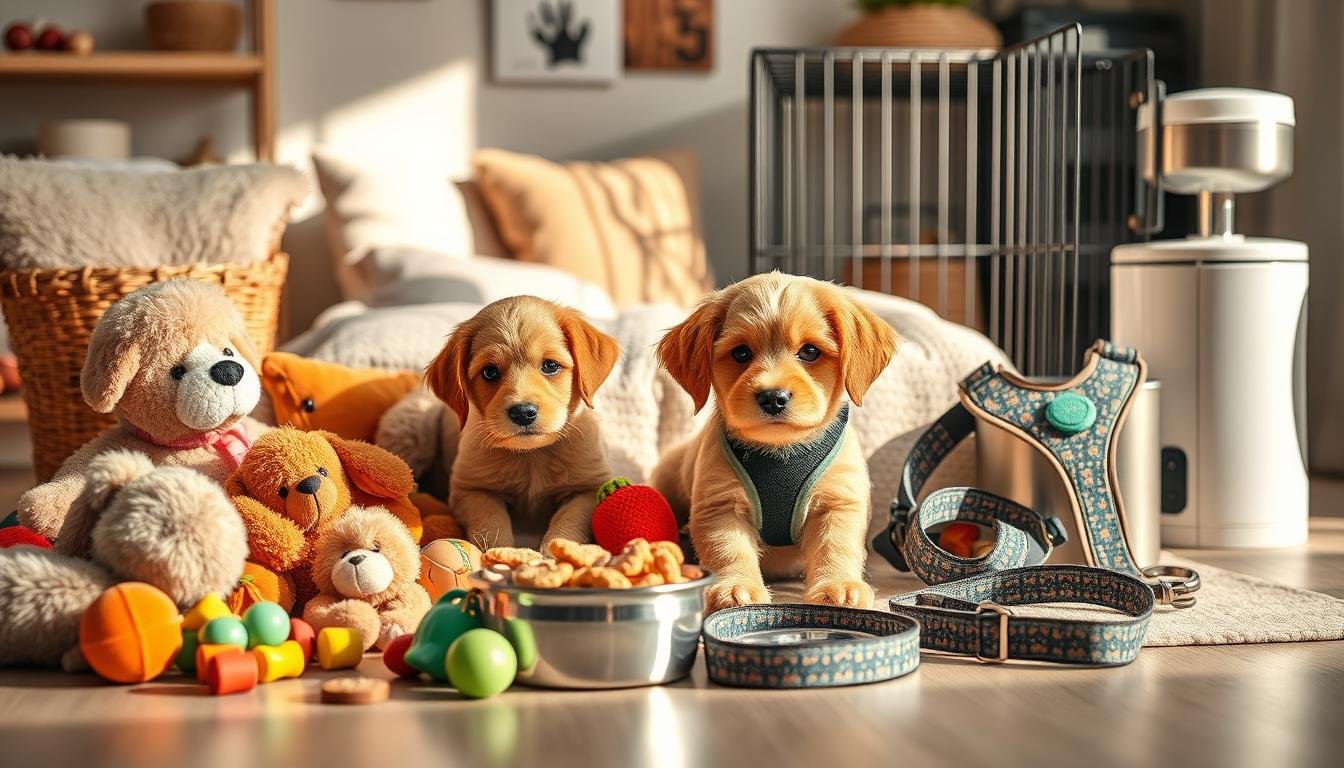
Bringing a new puppy home is exciting, but it needs careful planning. This ensures a smooth start for both you and your new pet. Preparing your home with the right accessories is key. It makes your home safe and welcoming for your puppy. Top 10 Must-Have Accessories for Your New Puppy In this article, we’ll look at the essential accessories for your new puppy. These help make your home happy and healthy. Key Takeaways Preparing for Your Puppy’s Arrival Getting ready for your puppy’s arrival is key. You need to know their basic needs and plan ahead. This makes the transition easier for both you and your puppy. Understanding Your Puppy’s Basic Needs Your puppy needs good food, a comfy place to sleep, and to be safe. Nutrition means giving them high-quality food. Comfort comes from a cozy spot with the right bedding and toys. Safety means making your home puppy-proof and having the right containment. puppy’s basic needs Planning Your Purchases Knowing what your puppy needs helps you shop. You’ll need the right bowls, a comfy bed, fun toys, and grooming tools. Don’t forget training gear and safety items like a collar, leash, and ID tag. Planning ahead ensures you’re ready to meet your puppy’s needs. Top 10 Must-Have Accessories for Your New Puppy Getting ready to welcome your new puppy home? It’s key to have the top 10 must-have accessories ready. These items will make your life easier and keep your puppy happy and comfortable. Here’s what you need: Why These Accessories Are Essential Each accessory is vital for your puppy’s growth and happiness. For example, high-quality food and water bowls make eating and drinking easy. Nutritious puppy food gives them the nutrients they need. Comforting toys and blankets help reduce stress. Training treats and puppy training pads help with housebreaking. A secure collar and ID tag keep them safe. Grooming tools and dental care essentials keep them healthy. Feeding Essentials Choosing the right food and bowls is key to your puppy’s growth. It’s important for their health and happiness. High-Quality Food Bowls The right food bowl is more than just a bowl. It affects your puppy’s mealtime. Look at the material, size, and how stable it is. Nutritious Puppy Food Good food is vital for your puppy’s health. It boosts their immune system and energy. It’s also important for their overall well-being. Age-Appropriate Nutrition Options Puppies need different foods at different ages. Pick a food that fits your puppy’s age and size. Reading and Understanding Puppy Food Labels Reading food labels can be tough. But it’s key to make smart choices. Look for foods with named protein sources first. Avoid fillers and by-products. Nutrient Importance Sources Protein Essential for growth and repair Chicken, Salmon, Beef Fat Provides energy and supports skin and coat health Fish Oil, Chicken Fat Carbohydrates Provides energy Sweet Potatoes, Brown Rice Comfort and Sleeping Accessories Creating a cozy environment for your puppy is key to their growth and relaxation. Comfort and sleeping accessories are vital. They ensure your puppy feels secure and comfortable in their new home. 3. Cozy Puppy Bed A cozy puppy bed is a must-have for any new puppy. It gives a comfy and safe spot for your puppy to rest and sleep. When picking a puppy bed, think about size and material. Make sure it fits your puppy’s breed and needs. Size and Material Considerations for Different Breeds Different breeds need different beds. Larger breeds need bigger beds, while smaller breeds do well in cozier beds. The material should be breathable, durable, and comfy against your puppy’s skin. Washability and Durability Features … Read more

How to Keep Your Pet Safe During Extreme Weather

As a pet owner, keeping your furry friend safe in extreme weather is key. Extreme weather can be life-threatening for pets. It’s vital to take steps to protect their health. How to Keep Your Pet Safe During Extreme Weather Knowing the dangers of extreme weather and preparing your home can help a lot. By taking the right steps, you can keep your pet safe and sound. Key Takeaways Understanding Weather Risks for Different Pets As a pet owner, it’s key to know how weather affects your pet’s safety. Extreme weather like heatwaves, cold snaps, hurricanes, and floods can harm pets. They need to be ready for these conditions. How Weather Affects Dogs, Cats, and Small Animals Differently Dogs, cats, and small animals face different challenges in extreme weather. Dogs might need more exercise and attention in heatwaves. Cats need extra care in cold weather. Small animals like rabbits and guinea pigs are more sensitive to temperature changes. extreme weather risks for pets Identifying Your Pet’s Specific Vulnerabilities It’s important to know what makes your pet vulnerable to the weather. Age, health, and breed play a big role. For example, older pets or those with health issues need extra care in bad weather. Pet Type Weather Risk Precaution Dogs Heatstroke Provide plenty of water and shade Cats Hypothermia Keep indoors during cold weather Small Animals Temperature fluctuations Maintain a stable environment Preparing Your Home for Weather Emergencies Extreme weather events are happening more often. It’s important to prepare your home for emergencies to keep your pet safe. A well-prepared home can greatly reduce risks from extreme weather. Creating safe spaces for your pets is a key step. This means finding areas in your home that protect them from bad weather. Creating Safe Spaces Inside Your Home Find a quiet room or area in your home for your pets during emergencies. This room should be safe from drafts, extreme temperatures, and hazards. Make sure it’s comfortable and familiar to your pets. This can help lower their stress during bad weather. Essential Supplies for Your Pet Emergency Kit A pet emergency kit is essential for your pet’s needs during a weather emergency. You’ll need: By creating safe spaces and having the right supplies, you can greatly improve your pet’s safety during extreme weather. How to Keep Your Pet Safe During Extreme Weather Extreme weather events are happening more often. It’s important to know how to protect your pet. Weather extremes can harm your pet’s health, so being ready is key. Extreme Heat and Heatwave Precautions Heatwaves can cause heatstroke in pets. Make sure they have cool water and shade. Never leave them in a car, as it gets hot fast. Exercise them when it’s cooler. Use cooling pads or vests for extra comfort. Cold Weather and Winter Storm Protection In cold weather, pets can get hypothermia or frostbite. Keep them warm by using coats or sweaters. Make sure they have a dry, warm place to rest. Be careful with antifreeze, as it’s toxic. Clean their paws to avoid ice and salt. Hurricane, Flooding, and Evacuation Procedures For hurricanes and floods, a good evacuation plan is essential. Find pet-friendly places to stay ahead of time. Include your pet in your emergency kit. The kit should have food, water, medicine, and a first-aid kit. Keep up with weather updates and be ready to leave quickly. … Read more

The Ultimate Guide to Choosing the Right Pet for Your Family

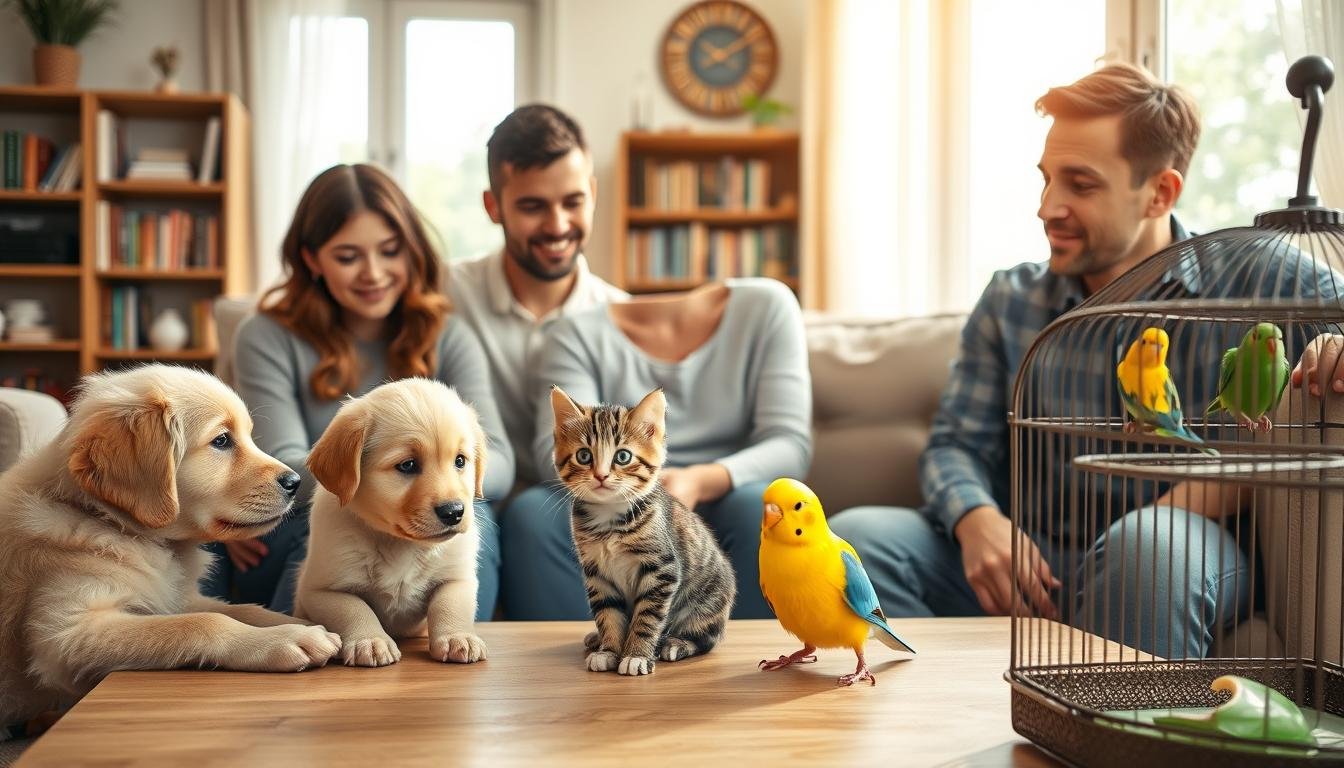
Finding the perfect pet for your family can seem tough. But, with the right help, it can also be a rewarding experience. Think about your family’s lifestyle, needs, and what you all like before getting a pet. The Ultimate Guide to Choosing the Right Pet for Your Family A family pet can offer many benefits. They can be great companions, provide emotional support, and even help your mental health. But it’s key to pick a pet that matches your family’s life and home. Think about your family’s schedule, how much space you have, and your budget. This will help you make a smart choice when choosing the right pet for your family. Key Takeaways Understanding Your Family’s Lifestyle and Needs Before getting a new pet, it’s key to think about your family’s lifestyle and needs. You need to consider a few important factors. These will help you pick a pet that fits well with your household. Assessing Your Available Time and Energy How much time and energy you can give to your pet matters a lot. Some pets need a lot of training, exercise, and attention. Others are easier to care for. As pet care expert, Dr. Jane Smith, notes, “The key to a happy pet is ensuring it receives the right amount of attention and exercise tailored to its needs.” Considering Space Constraints Your home’s size is also important. Big pets need more space to move around. Small pets can do well in smaller homes. Apartment dwellers, for example, might prefer smaller pets like cats or rabbits. Evaluating Allergies and Health Concerns It’s also important to think about any allergies or health issues in your family. Some pets can cause allergies or make health problems worse. For example, some people might be allergic to pet dander or have concerns about pets that carry diseases. family lifestyle and pet needs By carefully looking at these factors, you can make a good choice for your family and your future pet. As “The love and care you provide will directly impact your pet’s happiness and well-being.” Dogs: Man’s Best Friend for Families Dogs are a top pick for families because of their loving nature. They are loyal and can form strong bonds with family members. This makes them perfect companions for many. Family-Friendly Dog Breeds Some dog breeds are better suited for families, like those with kids. Labrador Retrievers and Golden Retrievers are known for being gentle and patient. Beagles and Boxers are also great for families. They are full of energy and love to play, making them perfect for kids. Exercise and Training Requirements Dogs need regular exercise to stay healthy and happy. The amount and type of exercise depend on the breed. Some need more than others. Training is key for dog owners. It helps dogs behave well and avoid bad habits. Consistent training is important. Long-Term Commitment Considerations Having a dog is a big commitment that can last over a decade. It’s important to think about the financial and time costs of caring for a dog. Breed Exercise Needs Training Requirements Labrador Retriever High Regular Training Golden Retriever High Regular Training Beagle Medium Consistent Training Cats: Independent Companions Cats are a favorite pet for many families. They are adaptable and loving. Cats like to be independent, which is perfect for families who don’t want a pet that needs too much attention. Indoor vs. Outdoor Cats … Read more

Why Is My Cat Meowing So Much? 7 Common Reasons

Excessive cat vocalization worries many cat owners. Cats use meowing to express themselves, among other ways. Why Is My Cat Meowing So Much? 7 Common Reasons It’s important to know why cats meow so much. They meow to tell us about their needs, wants, or feelings. Figuring out why they meow a lot helps us help them. Once we understand why they meow, we can meet their needs. This can make them meow less. Key Takeaways Understanding Normal vs. Excessive Cat Vocalization Cats use meowing to talk to us, but it’s important to know when it’s too much. This helps us understand their needs and spot any problems. How Cats Naturally Communicate Cats talk in different ways, like meowing, body language, and scent. Meowing is their main way to say what they need or feel. Normal cat vocalization changes based on the cat’s breed, age, and personality. Cats meow for many reasons: cat communication Signs Your Cat’s Meowing Is Problematic Some meowing is okay, but too much can mean there’s a problem. Look out for these signs: Spotting these signs can help you see when your cat’s meowing is more than just talking. It might be a sign they need help or attention to a health issue. Hunger, Thirst, and Basic Needs Cats meow when their basic needs aren’t met. They rely on us to fulfill these needs. Meowing is their main way to communicate. Cats meow for many reasons. Knowing these reasons helps us address their behavior. Hunger and thirst are common reasons. Food-Related Meowing Patterns Cats meow to show they’re hungry or unhappy with their food. Watching their meowing patterns can tell us if it’s about food. Addressing Nutritional Demands To stop hunger meowing, make sure your cat’s diet is balanced. Provide a consistent feeding schedule. Nutritional Element Importance Food Sources Protein Essential for muscle health Chicken, Fish, Beef Carbohydrates Provides energy Rice, Oats, Sweet Potatoes Fats Important for skin and coat health Fish Oil, Flaxseed Oil Understanding and meeting your cat’s nutritional needs can reduce hunger and thirst meowing. This makes your pet happier and healthier. Why Is My Cat Meowing So Much? 7 Common Reasons If your cat is meowing more than usual, it’s important to find out why. Cats use meowing to communicate. Knowing why your cat is meowing can help you meet their needs better. 1. Attention-Seeking Behavior Cats meow to get attention from their owners. If you give them treats or affection when they meow, they might keep doing it. To stop this, set a routine and ignore them when they meow for no reason. 2. Stress and Anxiety Stress and anxiety can make cats meow a lot. Changes like moving or new pets can stress them out. Keeping their environment calm can help reduce their meowing. 3. Aging and Cognitive Dysfunction Older cats may meow more due to cognitive issues. They might get confused or disoriented. Making their environment familiar and comfortable can help. 4. Territorial Issues Cats meow to mark their territory or respond to other cats. Blocking their view or using deterrents can help with this. 5. Mating Behaviors … Read more

Homemade Dog Food Recipes Vets Actually Recommend

As a pet owner, making sure your dog’s health is a big deal. One great way to do this is by cooking nutritious meals at home. Many pet owners are now looking for vet-approved recipes to give their dogs the best nutrition. Homemade Dog Food Recipes Vets Actually Recommend Cooking your dog’s meals lets you pick the ingredients. This is super helpful for dogs with allergies or sensitivities. Using healthy ingredients and following trusted recipes can make your dog very happy and healthy. Key Takeaways The Science Behind Homemade Dog Nutrition More pet owners are choosing homemade dog nutrition for their dogs. They want to give their pets healthier, more tailored diets. This has led to more vets helping with making nutritious meals for dogs. Why Veterinarians Are Reconsidering Commercial Dog Food Many have stuck with commercial dog foods. But worries about their quality and safety are growing. Now, some vets suggest homemade dog food as a better option. Dr. Karen Becker says, “Making your dog’s food at home lets you pick the ingredients. This way, you can make sure they get the nutrients they need.” “Preparing your dog’s food at home allows you to control the ingredients and ensure that your pet is receiving the nutrients they need.” – Dr. Karen Becker Health Benefits of Properly Prepared Homemade Diets Homemade dog nutrition can bring many health perks. It can improve digestion, reduce allergies, and make a dog’s coat shine. A study in the Journal of the American Veterinary Medical Association showed dogs on homemade diets had better nutrition than those on commercial food. Nutrient Homemade Diet Commercial Dog Food Protein 30% 25% Fat 20% 18% Carbohydrates 40% 45% Identifying Dogs That Benefit Most from Home-Cooked Meals Not every dog needs homemade food. But some may really benefit from it. Dogs with allergies, stomach problems, or needing to lose weight might do well on vet-recommended dog diets made at home. Homemade dog nutrition benefits Learning about homemade dog nutrition and talking to a vet can help owners make better diet choices. This could lead to better health for their dogs. Veterinary Guidelines for Balanced Canine Nutrition Vets stress the need for balanced nutrition in dogs to avoid health problems. A balanced diet keeps dogs healthy and happy. Vets help dog owners find the right balance. Essential Proteins and Amino Acids for Dogs Proteins are key in a dog’s diet, giving them the amino acids they need. High-quality protein sources are chicken, beef, fish, and eggs. It’s important to choose fresh, high-quality proteins for the best amino acids. Healthy Fats and Complex Carbohydrates Healthy fats give dogs energy and help them absorb vitamins. Fish oil and flaxseed oil are good sources. Complex carbs like brown rice and sweet potatoes provide fiber and energy. It’s important to balance fats and carbs for health. Critical Vitamins and Minerals for Canine Health Vitamins and minerals are essential for dogs’ health, including bone health and immune function. Key vitamins are Vitamin D and E, and important minerals are calcium, phosphorus, and potassium. The right balance of these nutrients is key to avoiding deficiencies. Dangerous Ingredients to Avoid in Dog Food Preparation When making homemade dog food, avoid harmful ingredients. This includes toxic foods and ingredients that can upset the balance of nutrients. Toxic Foods for Dogs Some foods are toxic to dogs and must be avoided. These include chocolate, grapes, raisins, onions, garlic, and xylitol. It’s vital for dog owners to know these toxic foods to prevent poisoning. Nutritional Imbalances to Prevent Nutritional imbalances can happen if the diet isn’t planned well. Common issues include calcium deficiencies, too much Vitamin D, and not enough essential fatty acids. Talking to a vet can help avoid these problems. By following these guidelines, dog owners can give their pets a balanced diet. Always talk to a vet before changing a dog’s diet. Homemade Dog Food Recipes Vets Actually Recommend Creating a balanced diet for dogs is easier with vet-recommended homemade recipes. These recipes provide optimal nutrition for different health needs. Below, we explore vet-approved recipes for various canine dietary requirements. Balanced Chicken and Brown Rice Recipe This recipe is a favorite among dog owners. It’s simple and nutritious. It combines lean protein from chicken with complex carbs from brown rice. … Read more

How to Train a Puppy: A Complete Beginner’s Guide

Training a puppy is key to raising a well-behaved dog. It builds a strong bond between the dog and its owner. This ensures a happy home. How to Train a Puppy: A Complete Beginner’s Guide Knowing puppy psychology is vital for good training. This guide covers preparation, basic commands, house training, and socialization. These steps are essential for your puppy’s growth. With this beginner’s guide, you’ll learn to handle puppy training. You’ll set your dog up for a lifetime of good behavior. Key Takeaways Understanding Puppy Psychology and Development Understanding puppy psychology is key to good training and growth. Puppies grow fast, and their early life shapes their behavior and learning skills. Critical Developmental Stages in Puppies Puppies go through important stages like the neonatal, transition, and socialization periods. These stages are when they are most open to new things and learning. The socialization period, from 3 to 14 weeks, is very important. It sets the stage for their future behavior and how they interact with others. How Puppies Learn and Process Information Puppies learn through instinct, conditioning, and social learning. They are very sensitive to their surroundings and what their caregivers teach them. Positive reinforcement is a great way to train puppies. It encourages good behavior and stops bad ones. The Importance of Timing in Training Timing is everything in training puppies. Rewards and corrections need to happen right away. If they don’t, puppies can get confused and learn more slowly. Setting Realistic Expectations for Training It’s important to have realistic goals for training based on a puppy’s age and stage. Puppies have short attention spans and don’t understand much yet. So, training should be patient, consistent, and positive. Here are some tips: puppy psychology Essential Preparation Before Training Begins The journey to a well-behaved puppy starts long before training. It begins with preparation. Making sure your home is ready and gathering tools are key steps for success. Creating a Puppy-Friendly Environment Creating a safe and welcoming space for your puppy is essential. This means removing hazards and keeping toxic substances and electrical cords out of reach. Puppy-Proofing Your Home Puppy-proofing your home is a must. It involves securing loose items, blocking off areas, and making sure your home is safe for your puppy to explore. Gathering Necessary Training Tools and Supplies Having the right tools and supplies is key to effective training. You’ll need high-quality puppy treats, a comfy collar and leash, and training pads or newspapers for housebreaking. Training Tool Purpose Puppy Treats Rewards for good behavior Collar and Leash Walking and basic obedience training Training Pads/Newspapers Housebreaking Establishing a Consistent Training Schedule A consistent training schedule is vital. It helps your puppy know what’s expected. Set aside dedicated time each day for training and stick to it as much as possible. “Consistency is key when it comes to training a puppy. A well-planned schedule can make all the difference in the world.” Expert Dog Trainer By establishing a routine, you’re teaching your puppy new behaviors. You’re also helping them feel secure and develop good habits. How to Train a Puppy: A Complete Beginner’s Guide to Basic Commands Basic commands are key to puppy training. They help your puppy behave well and strengthen your bond. Teaching these commands is essential. Teaching the “Sit” Command Step-by-Step To teach your puppy to sit, hold a treat near their nose. Move your hand up and over their head. This will make them follow the treat and sit down. When they sit, say “Sit” and give them the treat. Praise them too. Do this many times until they learn the command. Mastering “Stay” and “Come” Commands Start with the “Stay” command by having your puppy sit. Hold your palm out and say “Stay.” Then, take a few steps back and return to praise them. Gradually increase how far and long you’re away. The “Come” command is taught by calling your puppy and saying “Come.” Reward them with treats and praise when they respond. … Read more

Top 15 Low-Maintenance Pets Perfect for Busy People

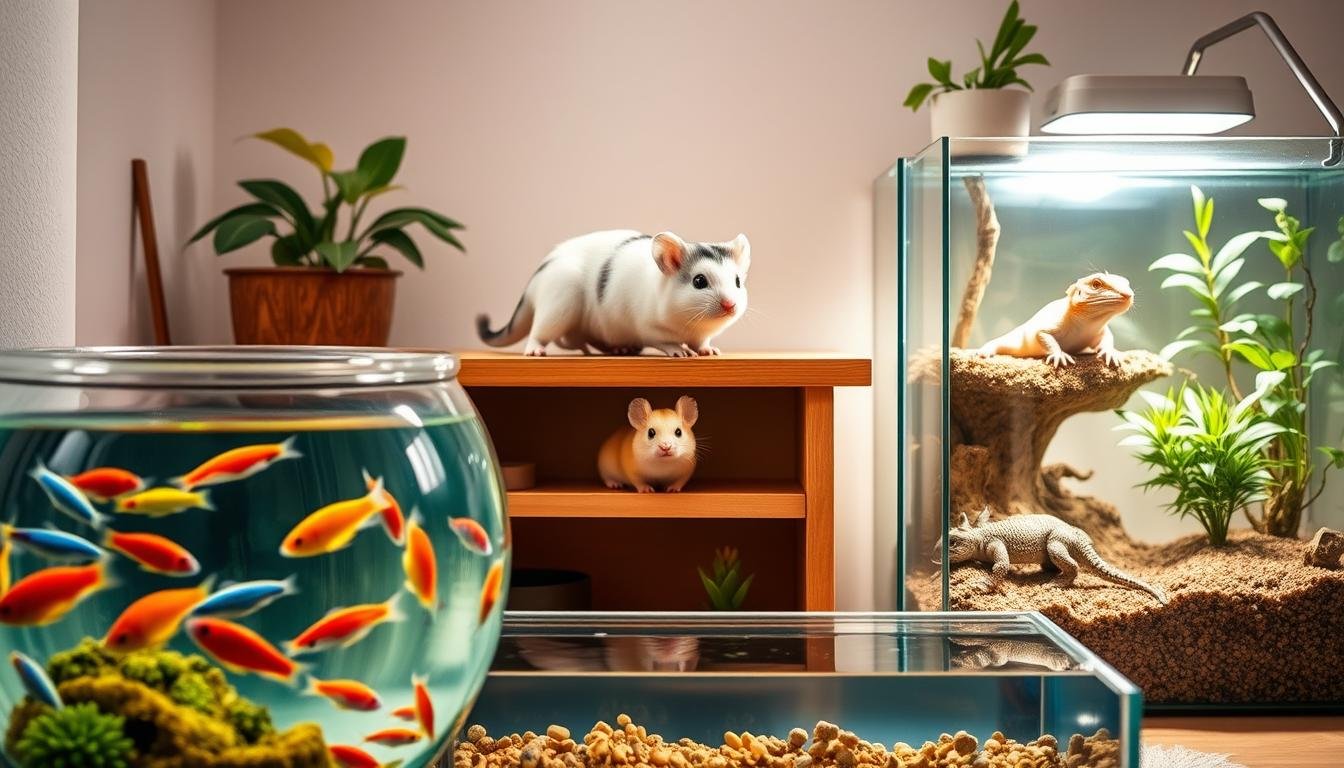
Owning a pet can be tough for those with busy lives. But a low-maintenance pet can bring joy without too much work. These pets need less time, care, and attention, making them perfect for busy people. Top 15 Low-Maintenance Pets Perfect for Busy People This article will look at the top 15 low-maintenance pets great for busy lives. We’ll cover pets that are easy to care for and those that are quite independent. There’s something for everyone’s needs and likes. Key Takeaways Understanding Pet Ownership for Busy Individuals Having a pet is a big commitment, but it can also bring comfort and friendship. Many think their busy lives make it hard to care for a pet. But low-maintenance pets offer love and company without needing a lot of time or effort. Balancing Pet Companionship with a Hectic Schedule To manage pet care with a busy schedule, create a routine that fits both you and your pet. This might include: With these steps, you can meet your pet’s needs even when you’re not there. low-maintenance pets Benefits of Animal Companionship for Busy People Many busy people find that pets offer great benefits, such as: These advantages can greatly improve life for those with busy lives, making pet ownership a fulfilling choice. What Makes a Pet “Low-Maintenance”? The term “low-maintenance” refers to pets that are easy to care for. It means they need less time, effort, and resources. Knowing what makes a pet low-maintenance helps busy people choose the right pet. Key Factors in Determining Care Requirements Several factors affect a pet’s care needs. Two important ones are: Feeding Frequency and Complexity Pets that eat simple, infrequent meals are low-maintenance. For example, some reptiles and fish don’t need daily food. Habitat Cleaning and Maintenance Pets with easy-to-clean habitats are also low-maintenance. Small mammals and birds in cages that are quick to clean are good examples. Social and Exercise Needs Another key aspect is a pet’s social and exercise needs. These include: Independent vs. Social Species Pets like cats are more independent and need less attention. Dogs, on the other hand, are very social and need more interaction. Space and Interaction Requirements Some pets need lots of space to move and play. Others are happy with less space. It’s important to understand these needs when choosing a pet. By considering these factors, busy people can find a pet that fits their lifestyle. This way, they can enjoy companionship without too much extra work. Top 15 Low-Maintenance Pets Perfect for Busy People Busy people can enjoy pets without the hassle. These top 15 pets are easy to care for. They include small mammals, reptiles, amphibians, and aquatic friends. Small Mammals Small mammals are perfect for those with little time. Here are five pets that are easy to care for. 1. Hamsters: Nocturnal and Self-Sufficient Hamsters are low-maintenance pets that are active at night. They don’t need much attention, making them great for busy people. 2. Guinea Pigs: Low-Maintenance Social Companions Guinea pigs are social and easy to care for. They need a cage with hiding spots and regular interaction, perfect for those with some time to spare. 3. Rats: Intelligent and Clean Rats are smart, clean, and friendly. They are easy to care for and can learn tricks, making them a good fit for busy folks. 4. Gerbils: Desert-Adapted and Low-Odor Gerbils are desert animals that are low-odor and simple to care for. They do well in pairs or groups, ideal for those who want pets that entertain themselves. 5. Hedgehogs: Solitary and Unique Hedgehogs are solitary and unique pets that are easy to care for. They need a big cage with hiding spots and a wheel for exercise, perfect for those who want something different. Pet Care Requirements Social Needs … Read more

10 Best Dog Breeds for First-Time Owners

Getting a new dog is exciting, even for first-time pet owners. With many breeds to pick from, finding the right one can be hard. 10 Best Dog Breeds for First-Time Owners Choosing the right breed is key to a great dog-owning experience. The best breed for beginners should be friendly, easy to adapt, and simple to care for. This article will help you find the top dog breeds for first-timers. It aims to guide you in making a smart choice. Key Takeaways What Makes a Dog Breed Suitable for First-Time Owners Choosing the right dog breed is key for first-time owners. It ensures a smooth and enjoyable experience. Factors like temperament, size, exercise needs, and grooming are important. Temperament and Trainability A dog’s temperament shows its natural behavior and attitude. Breeds with a calm and even-tempered nature are best for first-timers. Trainability is also key, as it shows how well a dog can learn basic commands. Breeds like Labradors and Golden Retrievers are great for beginners. They are easy to train and have a friendly nature. Size and Exercise Requirements The size of a dog matters a lot. Larger dogs are often gentle but need more space and exercise. Smaller breeds need less space but also need regular exercise. dog breeds for first-time owners Grooming and Maintenance Needs Different breeds have different grooming needs. Some need regular grooming, like brushing and bathing. Others are easier to care for. First-time owners should think about their ability to commit to grooming. By considering these factors, first-time dog owners can find a breed that fits their lifestyle. This ensures a happy and healthy relationship with their new pet. 10 Best Dog Breeds for First-Time Owners Choosing the right dog breed is key for first-time owners. With so many breeds out there, picking the best one can be tough. We’ll look at the top 10 dog breeds perfect for first-timers, covering their traits, benefits, and possible challenges. Labrador Retriever The Labrador Retriever is a favorite in the U.S. They are friendly, smart, and easy to train. This makes them great for new dog owners. Labradors need lots of exercise to stay happy and healthy. Key Characteristics: Friendly, Intelligent, Energetic Golden Retriever Golden Retrievers are known for their loyalty and love for people. They are smart and easy to train, which helps with basic commands. They also need regular grooming to keep their coat looking good. Advantages: Loyal, Gentle, Intelligent Cavalier King Charles Spaniel The Cavalier King Charles Spaniel is friendly and loves people. They are small and have a moderate energy level. This makes them good for many living situations. They are also great with kids because of their gentle nature. Characteristics: Friendly, Adaptable, Gentle Bichon Frise Bichon Frises are playful and friendly, perfect for small spaces. They need regular grooming to prevent matting. They are also good for people with allergies because they are hypoallergenic. Advantages: Playful, Hypoallergenic, Adaptable Poodle Poodles are smart and come in different sizes. They are low-shedding, which is great for allergy sufferers. They need regular grooming and are easy to train. Key Characteristics: Intelligent, Versatile, Low-Shedding Boxer Boxers are full of energy and loyal to their families. They don’t need much grooming but do need regular exercise. They are also patient and gentle with kids, making them a great family pet. Advantages: Energetic, Loyal, Patient Papillon Papillons are small and friendly, known for their unique ears. They are smart and trainable, perfect for first-time owners. They are active and need regular exercise to stay happy. Characteristics: Intelligent, Active, Friendly Greyhound Greyhounds are big but calm, often called “40 mph couch potatoes.” They are easy to care for and don’t need much exercise. This makes them a great choice for first-time owners who want a laid-back pet. Advantages: Calm, Low-Maintenance, Gentle Bernese Mountain Dog Bernese Mountain Dogs are big and calm, known for their intelligence and loyalty. They need regular grooming for their thick coat. They are loving and loyal to their families. … Read more