Traveling with Pets: Tips for a Stress-Free Journey

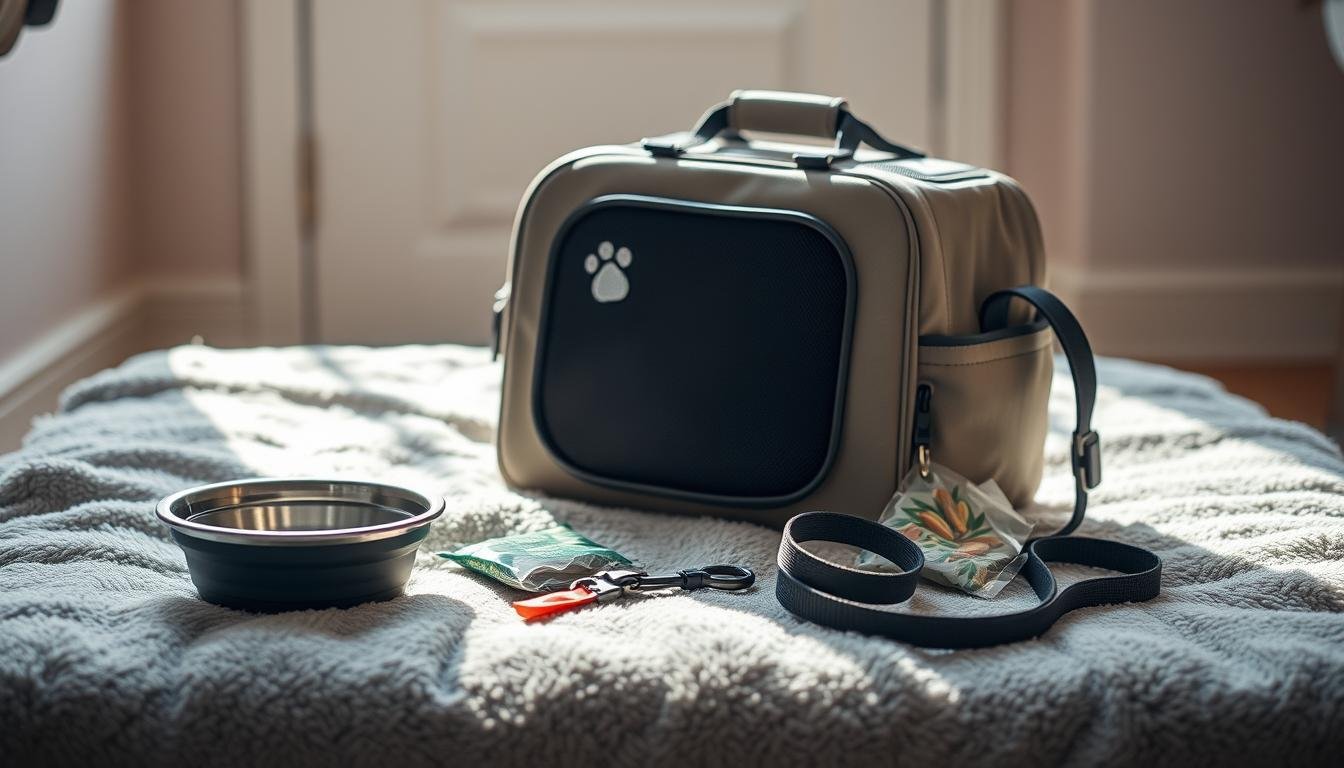
Going on a trip with your furry friend can seem scary. But, with the right steps, it can be a stress-free experience for you and your pet. Traveling with Pets: Tips for a Stress-Free Journey To make the trip smooth, prepare your pet well. Get any needed health certificates. Help your pet get used to their carrier. And, plan for breaks during the journey. By using pet travel tips from experts, you can make the journey stress-free. This makes the trip fun for everyone. Key Takeaways Preparing Your Pet for Travel Getting your pet ready for travel means several important steps. This includes health check-ups and packing the right gear. It’s all about making sure your pet stays healthy and safe on the journey. Essential Health Check-ups and Documentation First, take your pet to the vet before you travel. This check-up ensures your pet is healthy enough for the trip. It’s also a chance to talk about any special needs or concerns. Vaccination Requirements and Health Certificates Make sure your pet’s vaccinations are current. The rules can change based on where you’re going. You’ll also need a health certificate, usually within 10 days of travel. This proves your pet is healthy and meets travel rules. Microchipping and ID Tags Microchip your pet and keep their ID tags updated. This helps find them if they get lost. Also, have a recent photo of your pet for identification. Documentation Purpose Timeline Health Certificate Confirms pet’s health status Within 10 days of travel Vaccination Records Ensures compliance with destination requirements Up-to-date as per destination requirements Microchip Information Facilitates identification Before travel Packing the Perfect Pet Travel Kit A good pet travel kit is key to your pet’s comfort and safety. It should include food, water, medication, and comfort items. Food, Water, and Medication Essentials Bring enough of your pet’s regular food for the trip and a little extra. Don’t forget a portable water bowl and any medication. Include any prescriptions or needed documents, too. Comfort Items and Toys Include familiar items and toys in the kit to reduce stress. Choose durable items that won’t be a choking hazard. pet travel kit Pre-Travel Training and Acclimation Get your pet used to their travel carrier or crate. Start by introducing it slowly. Make it a cozy space with familiar bedding and toys. Train your pet to stay calm during travel. Use gradual exposure, positive reinforcement, and calming aids as your vet suggests. Traveling with Pets: Tips for a Stress-Free Journey by Car Going on a road trip with your pet can be exciting. But it’s important to plan carefully to keep them safe and comfortable. With the right steps, you can make the trip enjoyable for both you and your pet. Safety Measures for Road Trips with Pets Keeping your pet safe in the car is key. Using pet restraint systems or carriers is a great way to do this. These tools keep your pet from moving around, which helps prevent injuries to both your pet and you. Pet Restraint Systems and Carriers There are many pet restraint systems out there, like harnesses, carriers, and barriers. The right one depends on your pet’s size and personality. For example, a harness works well for dogs, while a carrier is better for cats or small animals. Temperature Control in Vehicles Keeping the car at a comfortable temperature is important. It helps prevent heatstroke or hypothermia. Never leave your pet alone in the car, and try to travel when it’s cooler. Make sure your car’s air conditioning works well. Planning Pet-Friendly Stops Along Your Route Planning to include pet-friendly stops can greatly improve your pet’s travel experience. These stops give your pet the chance to exercise and relieve themselves during long drives. Pet-Friendly Stop Type … Read more

How to Introduce a New Pet to Your Existing One

Bringing a new pet home is exciting, but it can also be tough, especially if you already have a pet. The secret to a smooth introduction is knowing pet psychology and following a clear plan. How to Introduce a New Pet to Your Existing One To create a harmonious household, you need to get your home and pets ready for the newcomer. This means more than just bringing the pets together. It’s about doing it in a way that reduces stress and encourages peace. Key Takeaways Understanding Pet Psychology During Introductions Many pet owners don’t realize how hard it is to introduce a new pet to an existing one. It’s all about understanding animal behavior. Pets have instincts that shape how they interact, like defending their territory and setting a household hierarchy. Territory and Hierarchy in Animal Behavior Animals naturally feel a need to protect their territory. When a new pet comes in, this can cause problems. It’s important to know that pets may try to defend their space or show who’s boss. Pet psychology during introductions Stress Signals to Watch For It’s key to spot stress signs in pets during introductions. Look out for growling, hissing, avoiding others, or changes in eating and sleeping. Catching these signs early helps avoid bigger issues. The Importance of Patience and Timing Being patient and timing things right is essential for a smooth introduction. Hurrying can upset pets. Letting them get used to each other slowly and carefully helps them live together peacefully. Stress Signals Intervention Strategies Growling, Hissing Separate immediately, restart introduction process Avoidance Behaviors Increase positive reinforcement, gradual exposure Changes in Appetite/Sleep Monitor closely, consult a veterinarian if necessary Preparation Before Bringing Your New Pet Home Before bringing a new pet home, it’s important to prepare well. This ensures a smooth transition for all pets. It’s a key step to a harmonious home. Creating Separate Living Spaces First, create separate living areas for your pets. This reduces stress and prevents fights. Give each pet its own space for eating, sleeping, and relaxing. Gathering Essential Supplies for Both Pets It’s also key to gather essential supplies for both pets. You’ll need food, water bowls, and litter boxes. Having duplicate supplies helps avoid competition and stress. Make sure each pet has its own set to prevent rivalry. Pre-Introduction Veterinary Checkups Before introducing pets, a vet check is essential. This ensures both pets are healthy. The check includes: Ensuring Vaccinations Are Current Up-to-date vaccinations are vital for pet health. Talk to your vet about the best vaccination schedule for your pets. Addressing Existing Health Issues Any health issues in pets should be fixed before introducing them. This prevents problems during the introduction. It ensures a healthier home for both pets. How to Introduce a New Pet to Your Existing One: Step-by-Step Guide Introducing a new pet to your existing one needs a slow and careful approach. This method helps lower stress and anxiety for both pets. It makes the transition easier. The Scent Exchange Method Start by swapping the pets’ scents. You can use their bedding, toys, or clothes. This first step lets your pets get used to each other’s smell without seeing each other. Controlled Visual Introduction Through Barriers When pets are okay with each other’s smells, it’s time for a visual introduction. Use a baby gate or screen door to keep them safe while they see each other. Watch their reactions and body language closely during this time. First Supervised Face-to-Face Meetings When pets seem okay with seeing each other, it’s time for their first face-to-face meeting. Pick a neutral spot where neither pet feels like they own it. Keep the meeting short. Watch their behavior to make sure they interact well. Gradual Increase in Interaction Time As pets get more comfortable, you can let them spend more time together. Keep watching their interactions until you’re sure they get along. Give them treats for calm behavior to help them get along better. … Read more

Pet Insurance Explained: Is It Really Worth It?

If you’re a pet owner in the United States, you know the joys and challenges of caring for your pets. Veterinary care costs have gone up, making pet insurance a popular choice for unexpected medical bills. Pet Insurance Explained: Is It Really Worth It? Knowing what pet insurance covers and its benefits can help you decide if it’s right for you and your pet. Key Takeaways Understanding Pet Insurance Basics Knowing the basics of pet insurance is key to making smart choices for your pet’s health. It helps cover vet costs, so your pet gets the care they need without breaking the bank. What Is Pet Insurance? Pet insurance is like health insurance for your furry friend. You pay a monthly or yearly fee for coverage. This way, you can afford vet bills without financial stress. Pet Insurance Basics How Pet Insurance Works Pet insurance is easy to understand. You pay a premium to get coverage. Then, you pay vet bills and send a claim to get reimbursed. Most policies have a deductible and a co-pay. The deductible is what you pay first. The co-pay is what you pay after that. Knowing these helps you see how pet insurance can help you and your pet. Key Terms You Should Know To get the most from pet insurance, learn these key terms: Term Description Example Premium Monthly or annual cost of the insurance policy $50/month Deductible Amount paid out-of-pocket before insurance coverage starts $200/year Co-pay/Co-insurance 20% of the total bill 20% of total bill Understanding these basics helps you choose the right pet insurance. It ensures you make a choice that fits your budget and your pet’s health needs. Types of Pet Insurance Coverage It’s important to know the different types of pet insurance. Policies vary in what they cover. This includes accidents, illnesses, wellness, and preventive care. Accident-Only Coverage Accident-only coverage is a basic option. It helps pay for vet bills if your pet gets hurt. For example, it can cover emergency surgeries, treatments for broken bones, and the removal of foreign objects. Some benefits of accident-only coverage are: Accident and Illness Coverage Accident and illness coverage is more complete. It covers both accidents and certain illnesses. It’s great for pet owners who want more protection. Key features of this coverage are: Comprehensive Coverage Comprehensive coverage is the most complete. It combines accident and illness coverage with extra benefits. These policies may include routine care, alternative therapies, and even behavioral treatments. Some policies may also offer: Wellness and Preventive Care Add-ons Wellness and preventive care add-ons are optional. They cover routine care expenses. This includes vaccinations, dental cleanings, and flea prevention. The benefits of these add-ons are: The Cost of Pet Insurance … Read more

Natural Remedies for Common Pet Ailments

Keeping your pet healthy is very important. Many pet owners are now looking into alternative approaches to help their pets stay well. They are using natural solutions to tackle common health problems. Natural Remedies for Common Pet Ailments Effective natural remedies can really help pets with different health issues. By looking into these options, pet owners can make better choices for their pets’ care. Key Takeaways Understanding Natural Remedies for Pets Pet owners are now using natural remedies alongside traditional vet care. They want to cut down on drugs and avoid side effects. These remedies include herbs, diet changes, and physical therapies. Natural remedies aim for a holistic approach to pet health. They focus on prevention and overall well-being, not just symptoms. It’s important to know their benefits and limits. natural remedies for pets Benefits of Natural Approaches to Pet Health Natural health methods can reduce side effects and promote well-being. They might also be cheaper than long-term drugs. For example, some herbs help with joint health and reduce inflammation in pets. One big plus of natural remedies is that they can be customized for each pet. This is great for pets with chronic conditions or those sensitive to drugs. Benefit Description Reduced Side Effects Natural remedies often have fewer side effects compared to pharmaceuticals. Promotes Overall Well-being Focuses on improving overall health instead of just treating symptoms. Personalized Care Allows for tailored treatment plans based on the pet’s specific needs. When to Use Natural Remedies vs. Veterinary Care Natural remedies are great, but know when to use them versus vet care. For serious injuries or illnesses, vet care is key. Natural remedies should support vet treatments, not replace them. For long-term conditions or preventive care, natural remedies can help. But always talk to a vet first to make sure they’re safe and work for your pet. Key Considerations: Natural Remedies for Common Pet Ailments: Skin Issues Natural remedies are a gentle and effective way to tackle common skin problems in pets. Issues like hot spots, irritations, and allergic reactions can be tough on pets and owners. Luckily, many natural remedies can help soothe and heal the skin. Treating Hot Spots and Irritations Hot spots and irritations are common in pets. They can be caused by allergies, insect bites, or infections. Herbal washes and compresses are often very effective in calming these issues. Herbal Washes and Compresses Herbal washes, made with calendula and chamomile, can soothe irritated skin. Compresses soaked in cooled herbal teas also offer relief. Soothing Oils and Salves Oils like tea tree oil and coconut oil are great for hot spots and irritations. They have anti-inflammatory and antimicrobial properties. Salves made from these oils can be applied directly to the affected areas. Managing Allergic Reactions Allergic reactions in pets can show up as skin issues like itching, redness, and swelling. Natural remedies like omega-3 fatty acids and antihistamine herbs can help manage these reactions. Solutions for Dry Skin and Dandruff Dry skin and dandruff can be uncomfortable and flaky. Using moisturizing shampoos and conditioners with natural ingredients like shea butter and olive oil can hydrate the skin and reduce flakiness. Digestive Health Solutions for Pets Natural ways to improve digestive health can greatly enhance a pet’s life. Digestive problems are common and can cause discomfort. They can also lead to serious health issues if not treated. Remedies for Upset Stomach and Nausea Ginger is a natural remedy for upset stomachs or nausea in pets. It can be given in small amounts, fresh or dried. Chamomile also helps calm the digestive system. “Ginger has natural anti-inflammatory properties that can help alleviate nausea in pets.” Addressing Diarrhea and Constipation Diarrhea and constipation are common in pets. For diarrhea, a bland diet of boiled chicken and rice can help. For constipation, psyllium husk or flaxseed can help with regular bowel movements. Supporting Overall Gut Health Keeping the gut healthy is key to pets’ digestive health. This can be done through diet changes and supplements. Probiotics and Fermented Foods Probiotics are good bacteria for a healthy gut. They can be found in fermented foods or as pet supplements. … Read more

Top 10 Most Intelligent Dog Breeds Ranked

Understanding how smart dogs are is key for dog lovers and owners. Dogs learn, follow commands, and solve problems in different ways. Intelligence in dogs goes beyond just listening; it’s about how they adapt and interact with their world. Top 10 Most Intelligent Dog Breeds Ranked Ranking the most intelligent dog breeds helps people pick the right pet. This ranking looks at instinct, adaptability, and how well dogs do in obedience and work tasks. Key Takeaways Understanding Canine Intelligence Canine intelligence covers many aspects of a dog’s mind. It’s not just about following commands. It’s about understanding how smart they really are. What Makes a Dog “Intelligent”? A dog’s smarts are shown in its learning and problem-solving skills. Intelligent dogs quickly learn new things and adapt to new places. Experts say, “Smart dogs aren’t just good at following orders. They can solve complex problems too.” Different Types of Canine Intelligence There are many kinds of canine smarts. Instinctive intelligence lets dogs do what they were bred for. canine intelligence How Dog Intelligence Is Measured Understanding dog intelligence needs a detailed method. It’s a complex trait that includes instinctive, adaptive, and working and obedience intelligence. Stanley Coren, a top expert, says, “Dogs’ intelligence is shaped by genes and environment.” His research has greatly helped us understand dogs’ minds. Stanley Coren’s Intelligence Criteria Coren’s criteria look at dogs’ ability to learn and do tasks. He ranked breeds based on their working and obedience smarts. This shows how important it is for dogs to understand and follow commands. Working and Obedience Intelligence Working and obedience intelligence is about a dog’s ability to follow its handler’s directions. Dogs that are good at this are easy to train and listen well. They make great working dogs and friends. Key factors in measuring working and obedience intelligence include: Top 10 Most Intelligent Dog Breeds Ranked Intelligent dog breeds are not just smart; they also have unique personalities. The top 10 list is based on their working and obedience smarts, and how well they adapt and learn. 1. Border Collie The Border Collie is one of the smartest dog breeds. They are great at solving problems and are very agile. They do well in dog sports and activities. Intelligence Traits Border Collies have lots of energy and a strong work ethic. They love to learn and stay active both mentally and physically. Temperament and Personality Border Collies are intense and focused. They are very loyal and can form strong bonds with their owners. 2. Poodle Poodles are smart and versatile dogs. They are easy to train and often perform in dog shows and competitions. Intelligence Traits Poodles are easy to train and can learn complex commands and tasks. Temperament and Personality Poodles are friendly and outgoing. They are social and need regular interaction and exercise. 3. German Shepherd German Shepherds are smart and are often used as police and military dogs. They are loyal and protective. Intelligence Traits German Shepherds are easy to train and can learn complex tasks and commands. Temperament and Personality German Shepherds are confident and courageous. They are loyal and can form strong bonds with their owners. 4. Golden Retriever Golden Retrievers are smart, loyal, and friendly. They are easy to train and are often used as therapy dogs. Intelligence Traits Golden Retrievers are easy to train and can learn complex commands and tasks. Temperament and Personality Golden Retrievers are friendly and gentle. They are social and need regular interaction and exercise. 5. Doberman Pinscher Doberman Pinschers are smart and loyal. They are often used as guard dogs. Intelligence Traits … Read more

What Your Pet’s Sleeping Position Says About Them

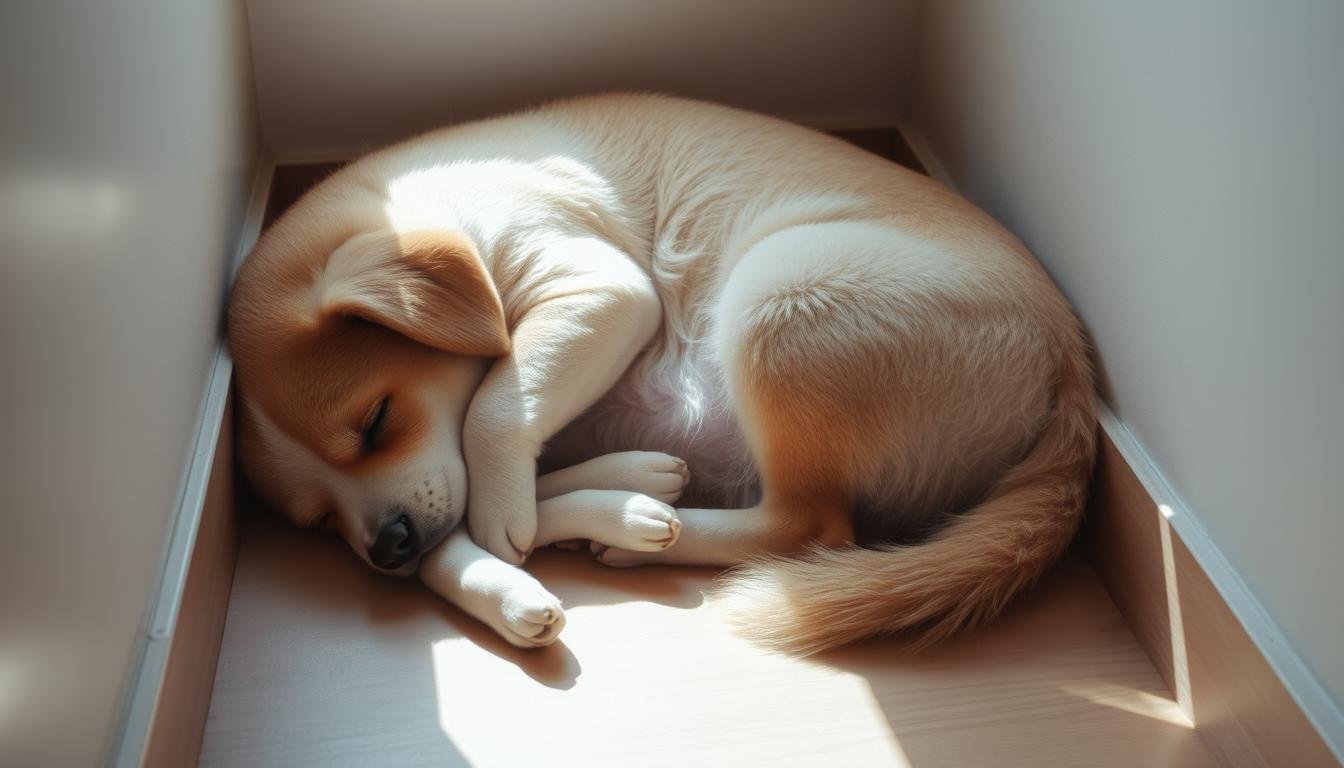
Understanding our pets’ behavior is fascinating and rewarding. Their sleeping position can tell us a lot about their personality and comfort. Just like us, pets have their own ways of resting, showing their emotional state, and well-being. What Your Pet’s Sleeping Position Says About Them Watching how your pet sleeps can give us clues about their comfort and trust. For example, a pet sleeping on its back might feel secure and relaxed. This shows they trust their surroundings. Key Takeaways The Science Behind Pet Sleep Behavior Pets’ sleep patterns are shaped by genetics, environment, and psychology. Knowing these factors helps us understand why pets sleep the way they do. How Sleep Cycles Differ Between Pets and Humans Pets and humans both go through different sleep stages, like REM and non-REM sleep. But the time and how often these stages happen vary a lot between species. For example, dogs spend more time in REM sleep than humans do. This means pets might be processing their experiences or feelings during sleep, just like humans do. pet sleep behavior The Evolutionary Purpose of Sleep Positions Pets’ sleep positions can tell us about their evolutionary history. For instance, curling up helps keep warm and protect important organs, a trait from their wild ancestors. Knowing these positions can show us about a pet’s comfort, security, and trust. By studying the science of pet sleep, we can better meet our pets’ needs. This improves their care and strengthens our bond with them. What Your Pet’s Sleeping Position Says About Them Your pet’s sleeping position is more than a quirk. It shows their comfort and trust in their space. By watching how they sleep, you can learn a lot about their personality and feelings. How Sleep Positions Reflect Personality Traits Different sleeping positions can show different parts of your pet’s personality. For example, pets that sleep on their backs with paws up show they trust and feel comfortable. Pets that curl up in a ball might need security and warmth. Knowing these positions helps you connect with your pet and meet their emotional needs. The Connection Between Comfort, Trust, and Sleep Posture The way your pet sleeps is tied to their comfort and trust. A pet that feels safe will sleep relaxed, like on its side or back. But a tense or anxious pet might sleep curled up or with its back to the wall. By noticing these signs, you can make a safer and more comfortable space for your pet. Watching your pet’s sleep habits and understanding their sleep positions can strengthen your bond. It also ensures their emotional and physical needs are met. Common Dog Sleeping Positions Decoded The way your dog sleeps can reveal a lot about their personality, trust, and how they save energy. Dogs choose certain sleeping positions based on what feels comfortable, safe, and relaxing to them. The Curled-Up Ball: Security and Temperature Regulation Dogs curl up in a ball for security and to keep warm. This shape helps them save heat and feel safe. The Superman: Energy Conservation and Playfulness The “Superman” pose, with a dog lying on their stomach and legs out, shows it’s relaxed but ready to play. It’s a sign of a dog who’s calm but ready for fun. The Side Sleeper: Trust and Relaxation Dogs that sleep on their side trust their surroundings and are very relaxed. This position shows they feel safe and comfortable, exposing their vital organs. Knowing about these dog sleeping positions helps owners understand their pets better. It strengthens the bond between dog and owner. Understanding Cat Sleeping Positions Watching how cats sleep can tell us a lot about their behavior and feelings. Each cat is different, showing various sleeping styles. These styles can show how comfortable, secure, and trusting they feel. The Loaf Position: Alert Relaxation In the loaf position, a cat curls up with their paws under their body. This shows they are alert and relaxed. It means they can rest but are ready to act if needed. The Contortionist: Flexibility and Comfort Some cats sleep in very odd ways, showing their flexibility and comfort. This contortionist pose means they feel very secure and relaxed. The Exposed Belly: Ultimate Trust or Trap? A cat sleeping on its back with its belly up shows ultimate trust in its surroundings. Yet, it’s also a risky position. It means the cat feels safe enough to relax completely. Sleeping Position Indication Loaf Position Alert Relaxation Contortionist Flexibility and Comfort Exposed Belly Ultimate Trust Shared Sleeping Positions Between Cats and Dogs … Read more

Can Dogs Eat Human Food? 15 Foods That Are Safe & Unsafe

As a dog owner, you might want to share your favorite foods with your furry friend. But not all human foods are safe for dogs. Some can even be dangerous. It’s important to know which human foods are safe and which are not. Some can give dogs important nutrients and treats. But others can cause harm, from mild discomfort to serious health issues. Can Dogs Eat Human Food? 15 Foods That Are Safe & Unsafe Knowing the difference between safe and unsafe human foods is key. This helps you make good choices about what to share with your dog. Key Takeaways Understanding Dogs and Human Food The way dogs digest food is different from humans. This affects what they can safely eat. Knowing this is key to deciding if a human food is okay for dogs. Differences Between Canine and Human Digestive Systems Dogs have a shorter digestive tract than humans. This lets them digest protein and fat quickly. But it also makes them more likely to get sick from certain toxins. Some foods that are safe for humans can be harmful to dogs. This is because dogs and humans break down food differently. canine digestive system General Guidelines for Sharing Food with Your Dog When you give your dog human food, do it in small amounts. Treats should not be more than 10% of their daily calories. It’s also important to know which foods are safe and which are not. Always introduce new foods slowly to avoid stomach problems. By following these tips, you can safely share food with your dog. 7 Human Foods That Are Safe for Dogs As a dog owner, you might want to share your food with your furry friend. There are many human foods that are safe for dogs. These foods can be tasty treats and add important nutrients to your dog’s diet. Lean Meats: Chicken and Turkey Chicken and turkey are great protein sources for dogs. They have amino acids that help muscles and overall health. Make sure to remove bones, skin, and fat to avoid choking and digestive problems. Healthy Fruits: Apples and Blueberries Apples and blueberries are tasty and full of nutrients. Apples have fiber and vitamins, while blueberries have antioxidants. But take out the seeds and cores from apples because they’re bad for dogs. Beneficial Vegetables: Carrots, Green Beans, and Pumpkin Carrots, green beans, and pumpkin are good for dogs. Carrots are great for teeth and provide a crunchy snack. Green beans are low in calories and high in fiber. Pumpkin helps with digestion. Cook or steam these veggies to make them easier to digest. Proper Preparation Methods When giving human food to your dog, preparation is important. Always: Appropriate Serving Sizes It’s important to give human foods in moderation. Treats should not be more than 10% of your dog’s daily calories. The right serving size depends on your dog’s size, age, and activity level. Always check with your vet for the best serving sizes for your dog. By adding these safe human foods to your dog’s diet, you can make their meals more varied and nutritious. Remember to introduce new foods slowly and watch for any bad reactions. 8 Human Foods That Are Dangerous for Dogs It’s tempting to share human food with dogs, but some foods are toxic. Knowing which foods are safe and which are harmful is key for dog owners. Highly Toxic Foods: Chocolate, Grapes, and Raisins Some human foods are very bad for dogs. Chocolate can make dogs vomit, have diarrhea, and have a faster heart rate. Grapes and raisins can cause kidney failure, but we don’t know why. The danger of these foods depends on the dog’s size, age, and health. For instance, darker chocolate is more dangerous than milk chocolate because it has more theobromine. Allium Family Dangers: Onions, Garlic, and Leeks Onions, garlic, and leeks can harm dogs. They damage red blood cells, leading to anemia. Onions and garlic are very dangerous, even in small amounts. Other Harmful Foods: Avocados and Macadamia Nuts Avocados have a toxic compound called persin. It can make dogs vomit and have diarrhea. The pit, skin, and leaves are more dangerous, but the fruit can also cause problems. Macadamia nuts can make dogs weak, depressed, vomit, tremble, and have too much body heat. Emergency Response to Ingestion If your dog eats something toxic, act fast. Call your vet or a pet poison hotline right away. They might make your dog vomit, give activated charcoal, and help them feel better. Toxic Food Symptoms Emergency Response … Read more

How to Stop Your Dog from Barking Excessively

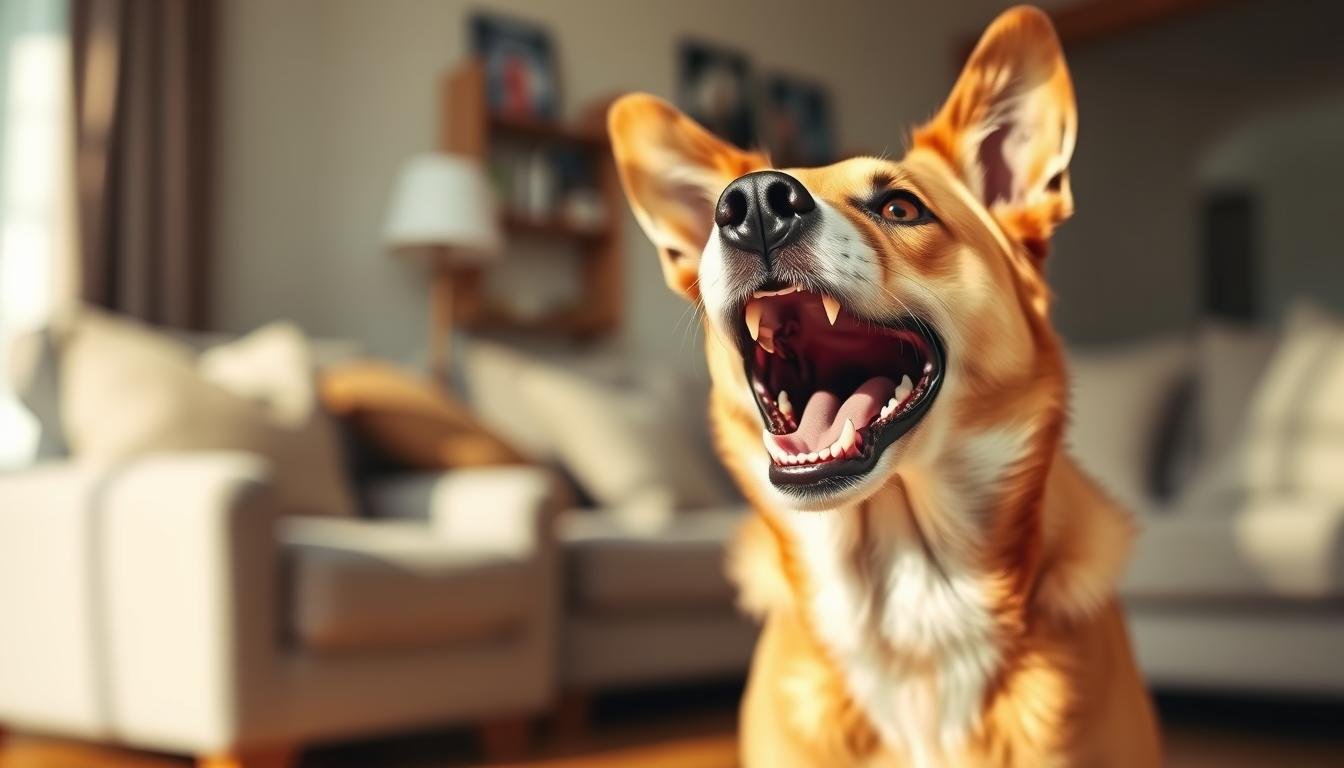
Excessive barking can really stress out dog owners and mess up the home. It’s key to figure out why your dog is barking so much. How to Stop Your Dog from Barking Excessively Once you know why, you can start making your home quieter. Excessive barking usually means there’s something bothering your dog, like anxiety or boredom. Key Takeaways Understanding Why Dogs Bark To tackle excessive barking, we must first understand why dogs bark. Barking is a natural way for dogs to communicate. Natural Canine Communication Dogs bark to share their feelings and needs. This includes excitement, alertness, or anxiety. Canine communication is complex, using vocalizations, body language, and scent marking. Barking can warn others, ask for attention, or show how they feel. canine communication When Barking Becomes Excessive While barking is normal, excessive barking might signal deeper issues. These could be anxiety, boredom, or health problems. Finding the cause of excessive barking is key to solving it. Recognizing the signs helps dog owners start fixing the problem. Common Causes of Excessive Barking It’s important to know why your dog barks too much. There are many reasons, and finding the main cause is key to fixing the problem. Territorial and Protective Barking Dogs bark to protect their home and family. This is a natural instinct that can be triggered by strangers or other animals. Proper training and socialization can help manage this behavior. Attention-Seeking Behavior Some dogs bark to get attention from people. If they get attention for barking, they might keep doing it. Ignoring the barking and rewarding calm behavior can help stop this. Anxiety and Fear-Based Barking Dogs can bark due to anxiety or fear. This can be caused by noises, people, or situations. Creating a safe environment and using calming aids can help reduce this barking. Boredom and Lack of Stimulation Dogs need both physical and mental stimulation. Without enough exercise or activities, they can get bored and bark too much. Providing enough exercise and mental stimulation can help reduce this barking. Cause Description Solution Territorial/Protective Barking to protect territory or family Proper training and socialization Attention-Seeking Barking to gain attention Ignoring barking, rewarding calm behavior Anxiety/Fear-Based Barking due to anxiety or fear Creating a safe environment, calming aids Boredom Barking due to lack of stimulation Adequate exercise and mental stimulation Identifying Your Dog’s Barking Triggers To solve your dog’s barking problem, you must find out what causes it. Knowing what makes your dog bark helps you plan to reduce or stop these triggers. Keeping a Barking Journal Keeping a barking journal is a great way to find out what triggers your dog’s barking. You record when your dog barks, what happens before and after, and any possible triggers you notice. With a detailed journal, you can spot patterns in your dog’s barking. This insight is key to understanding why your dog barks too much. Recognizing Barking Patterns Spotting patterns in your dog’s barking is essential. By looking at your journal, you can find common triggers and ways to deal with them. Trigger Possible Cause Potential Solution Strangers at the door … Read more

Best Indoor Cats for Apartment Living

Choosing the right cat breed is key to a peaceful home, even in apartment living. You need a cat that is calm, quiet, and doesn’t need a lot of space or exercise. Best Indoor Cats for Apartment Living The perfect indoor cat can live happily in a small space without bothering you too much. With so many breeds out there, picking the best cat for your apartment can be tough. Key Takeaways Why Choose an Indoor Cat for Your Apartment Having an indoor cat in an apartment comes with many benefits. They are great for small spaces and are safer indoors. This makes them perfect for apartment living. Benefits of Indoor Cats in Limited Spaces Indoor cats love small, cozy spots. This fits well with the limited space in apartments. They don’t need a lot of room to play, making them ideal for small homes. Benefits Description Space Efficiency Indoor cats are comfortable in small spaces, making them ideal for apartments. Low Maintenance They are generally less messy and destructive, suiting smaller living spaces. Quiet Environment Indoor cats help maintain a quiet environment, as they are less likely to disturb neighbors. Health and Safety Advantages Indoor cats stay safe from dangers outside like cars, diseases, and parasites. This lowers the chance of getting hurt or sick. Health advantages include less risk of catching diseases from animals, making them a healthier choice for apartment living. health advantages of indoor cats Top Factors to Consider When Choosing an Apartment Cat Choosing the right cat for an apartment is important. You need to think about what different cats need and how they behave. This helps create a happy home for both you and your cat. Space Requirements and Adaptability Apartment cats don’t need a lot of room, but they do need some space to move. Compact breeds like the Singapura or Devon Rex are great for small places. It’s key to pick a cat that can handle living in a smaller space. Noise Levels and Vocalization Some cats are quieter than others. For example, the British Shorthair is known for being very quiet. As one expert says, “A cat’s vocalization can be a big deal in apartment living, where sounds can easily spread between units.” Energy Levels and Exercise Needs Cats with lots of energy need more playtime and activities. Interactive toys and vertical space can keep them busy. Breeds like the Abyssinian are playful but can live well in apartments with enough exercise. Best Indoor Cats for Apartment Living: Top Breeds Some cat breeds are perfect for living in apartments. The British Shorthair, Ragdoll, and Russian Blue are great examples. They have special traits that make them ideal for indoor living. British Shorthair The British Shorthair is known for being easy-going and sturdy. They are perfect for apartments because they are calm. Temperament and Space Needs British Shorthairs are laid-back and don’t need much space. They are happy to stay indoors and don’t ask for much. Care Requirements They have a short, dense coat that’s easy to groom. They are generally healthy, but it’s good to take them to the vet regularly. Ragdoll Ragdolls are known for being very affectionate and having soft, silky coats. They are big cats, but are calm enough for apartments. Personality Traits Ragdolls go limp when picked up, showing how affectionate and gentle they are. Grooming Needs They have a thick coat that needs regular brushing to avoid matting. Brush them several times a week. Russian Blue The Russian Blue is quiet and reserved, making them great for apartments. They have a thick, plush coat and beautiful green eyes. Quiet Nature and Independence Russian Blues are not demanding and enjoy playing alone. They are perfect for busy apartment dwellers. … Read more

How Often Should You Bathe Your Dog? Vet Advice

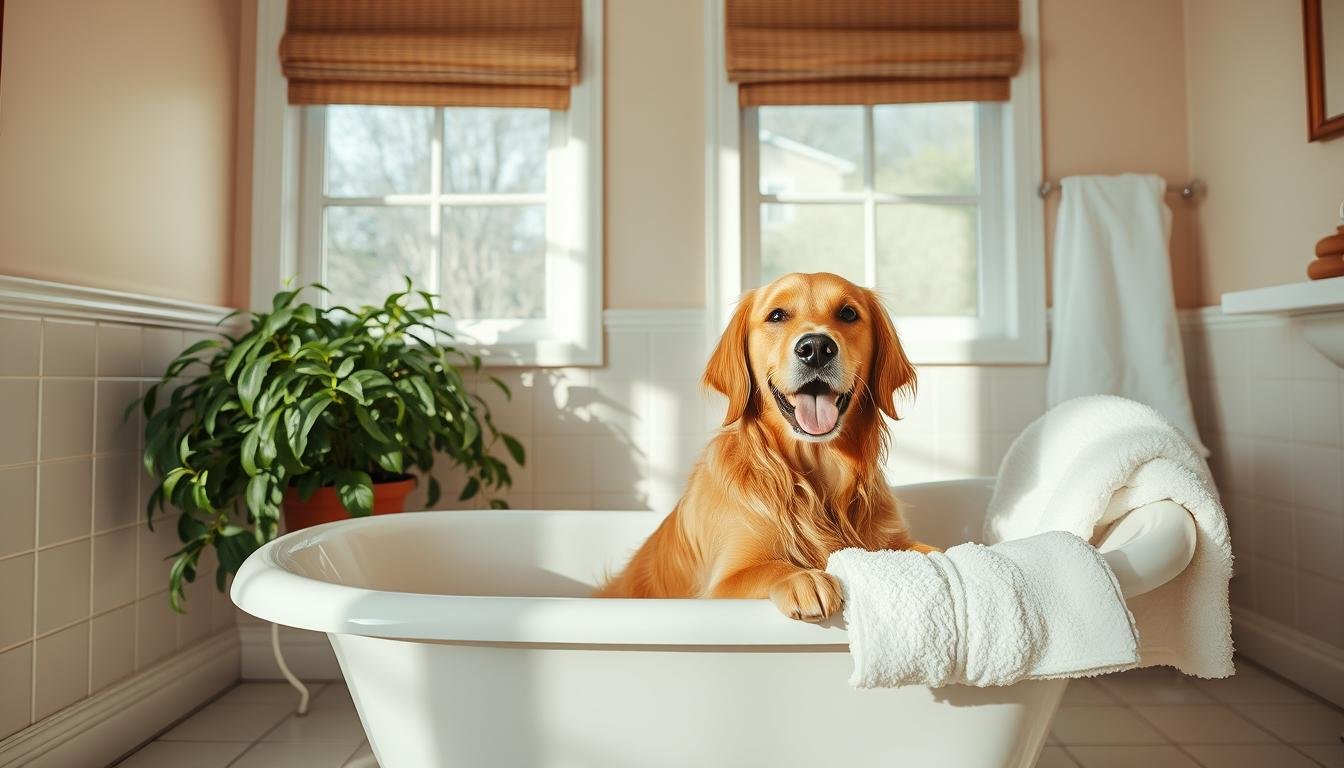
Bathing is key to dog hygiene. But bathing too much or too little can harm their health. The right time to bathe depends on breed, age, and lifestyle. How Often Should You Bathe Your Dog? Vet Advice Vets suggest finding a middle ground for a clean, healthy coat. Skin issues, allergies, and outdoor play are important for setting the bathing schedule. Knowing when to bathe your dog is vital for their health. This article will guide you on how to keep your dog clean and well. Key Takeaways The Importance of Proper Bathing Frequency It’s key to bathe dogs regularly to keep them clean and healthy. Bathing too much or too little can cause problems. So, finding the perfect balance is important for dog owners. Balancing Cleanliness and Skin Health A dog’s skin is very sensitive. It needs the right amount of cleanliness and oil to stay healthy. Bathing too much can take away these oils, causing dryness and irritation. Not bathing enough can lead to dirt buildup and infections. dog bathing frequency Consequences of Over-Bathing Too much bathing can make a dog’s skin dry and irritated. It can also make their coat dull and brittle. Plus, it can weaken the skin’s natural defense, making it more prone to infections. Consequences of Under-Bathing Not bathing enough can cause dirt and oils to build up on the skin. This can lead to skin infections and bad smells. It can also make allergies and skin problems worse. Vets often say it’s important to find a bathing schedule that fits each dog. They consider things like breed, lifestyle, and health. Factors That Influence How Often You Should Bathe Your Dog Bathing your dog isn’t a simple task. It depends on many important factors. Knowing these can help keep your dog healthy and clean. Breed and Coat Type Dogs come in different breeds with unique coats. For example, Basset Hounds with oily coats need baths more often than those with dry coats. Activity Level and Environment Active dogs or those outdoors a lot get dirty faster. They need baths more often to stay clean. Activity Level Recommended Bathing Frequency Low Every 6-8 weeks Medium Every 4-6 weeks High Every 2-4 weeks Skin Conditions and Allergies Dogs with skin issues or allergies need special care. They might need baths more often and specific products. Age Considerations: Puppies vs. Senior Dogs Puppies and older dogs have different needs. Puppies need gentle baths, while seniors might need baths more often because of skin problems. General Bathing Guidelines by Dog Type Different dog breeds have unique coats that affect how often they need baths. Knowing these differences is key to keeping your dog healthy and clean. Short-Haired Breeds Short-haired breeds usually don’t need baths as often as long-haired ones. Bathing every 4-6 weeks is enough for them. But how often they need a bath can change based on their activity level and where they live. Long-Haired Breeds Long-haired breeds need baths more often to avoid matting and tangling. Bathing every 2-4 weeks is best for them. They also need regular brushing to keep their fur in good shape. Double-Coated Breeds Double-coated breeds have a special coat that needs careful handling. Bathing every 6-8 weeks is usually best for them. Bathing too often can dry out their coats and cause irritation. Hairless Breeds Hairless breeds need regular skin care to stay healthy. Weekly bathing helps remove oils and dirt from their skin. It’s important to use a gentle, pH-balanced shampoo to avoid skin irritation. In conclusion, the right bathing schedule for your dog depends on their breed and coat type. By following these guidelines, you can keep your dog clean and healthy. How Often Should You Bathe Your Dog? Vet Advice for Special Situations … Read more